A Long-Vacant Haight Street Fotomat Kiosk Reopens as a Small, Live-Produced Internet Radio Studio
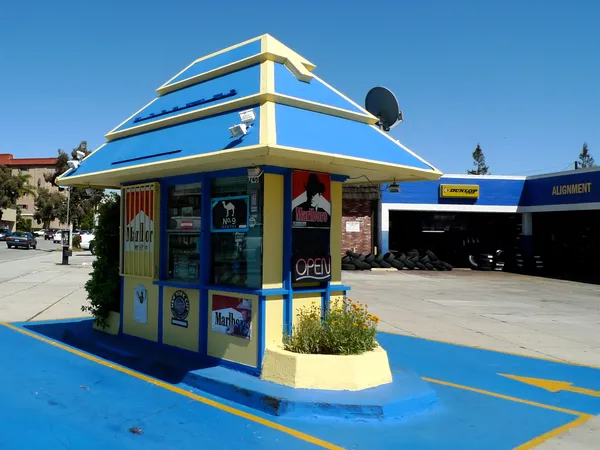
A familiar roadside structure gets a new cultural use
A small kiosk that sat idle for years on Haight Street has reopened with an unexpected purpose: it is now being used as a radio studio producing a new stream of neighborhood-focused audio programming. The structure is widely recognizable as a former Fotomat-style booth—compact, standalone and built for quick customer transactions—now repurposed for on-site recording and broadcasting.
The project is branded as Haight Street Voice Radio and is tied to Haight Street Voice, a long-running hyperlocal publication focused on the Haight-Ashbury area. The radio initiative operates as an internet station rather than a traditional FM or AM broadcaster, reflecting a broader shift toward low-barrier digital distribution for local media and music programming.
How the studio is operating and what it is producing
The station’s programming is described as free-form and conversational, with episodes centered on interviews and community storytelling connected to Haight-Ashbury’s past and present. The operation is also framed as a time-limited residency connected to a neighborhood preservation organization, with the studio located in a highly visible storefront-like footprint that puts production in public view.
Format: Internet radio stream with episodic content and live-style presentation.
Setting: A repurposed, standalone kiosk on Haight Street configured for recording and hosting guests.
Content focus: Local interviews and conversations tied to Haight-Ashbury culture, history and current community life.
Why a kiosk matters in San Francisco’s media landscape
San Francisco is home to major broadcast outlets and a range of community and public radio efforts, but the Haight Street kiosk stands out for its scale and its physical presence on the sidewalk-level streetscape. Instead of a conventional studio tucked into an office building, the kiosk setup turns production into a street-facing activity—closer in spirit to pop-up cultural programming than to legacy broadcasting infrastructure.
Its conversion also intersects with ongoing citywide attention on how to bring inactive commercial spaces back into use. While many reuse efforts focus on retail or food service, this project applies the same concept to local media creation—using a small, vacant structure as a platform for community reporting and audio storytelling.
The kiosk’s transformation is an example of adaptive reuse: a space built for one kind of transaction being redesigned for public-facing cultural production.
What to watch next
The key questions for the project’s next phase are operational: how long the kiosk will remain active as a studio, whether its audience grows beyond neighborhood supporters, and whether similar micro-studios could become a model for other corridors seeking low-cost ways to activate empty or underused spaces.