Anti-war protests spread across San Francisco and Oakland after U.S.-Israel strikes on Iran escalate tensions
Demonstrations form within hours of the strikes
Anti-war protests emerged across the Bay Area on Saturday, February 28, 2026, with separate actions reported in San Francisco and Oakland less than a day after joint U.S.-Israeli strikes on Iran. The gatherings were part of a broader wave of demonstrations held in multiple U.S. cities following the escalation.
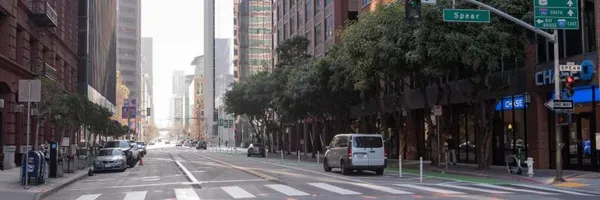
In San Francisco, demonstrators marched through the downtown core and rallied outside the federal building near Civic Center. Protesters carried signs opposing U.S. military involvement and chanted messages calling for de-escalation. Organizers framed the action as an emergency response to the attacks and urged an end to further military operations.
Mixed messages in the Bay Area, shaped by community ties
Bay Area protests reflected differing political and humanitarian concerns triggered by the same set of events. Some participants described fears that U.S. calls for “regime change” could prolong conflict and increase civilian suffering, arguing that Iran’s political future should be determined internally.
At the same time, a separate rally in Berkeley drew members of the Iranian diaspora calling for democratic change in Iran while also expressing concern for relatives and friends in the region. Speakers described the emotional toll of the conflict on families with direct ties to Iran and sought to elevate Iranian voices amid fast-moving military developments.
Oakland action highlights constitutional and accountability arguments
Across the bay in Oakland, protesters gathered in a smaller demonstration that emphasized constitutional and oversight issues, including questions about the scope of presidential authority to initiate military action without explicit congressional approval. Similar arguments appeared in statements from California political leaders in the immediate aftermath of the strikes, underscoring a developing fault line between state and federal perspectives on the legal basis and strategic aims of the operation.
What demonstrators are demanding
An end to U.S. military escalation involving Iran
Clearer legal justification and congressional scrutiny of military action
Protection of civilians and avoidance of prolonged regional conflict
Recognition of the conflict’s impact on local communities with family ties abroad
A protest landscape likely to remain active
The Bay Area has a long record of rapid mobilization around major foreign-policy decisions, and Saturday’s events followed that pattern: multiple demonstrations, different constituencies, and distinct emphases—from opposing war outright to advocating for political change while urging limits on military escalation.
With tensions rising overseas, organizers indicated further actions could follow in the coming days, as national and international developments continue to unfold.
San Francisco apartment rent growth accelerates again as limited supply and tech demand tighten market conditions

Fog, Festivities, and First Thursdays: Your San Francisco Morning Briefing