Bay Area residents debate Iran war as gasoline prices jump sharply and travel costs rise
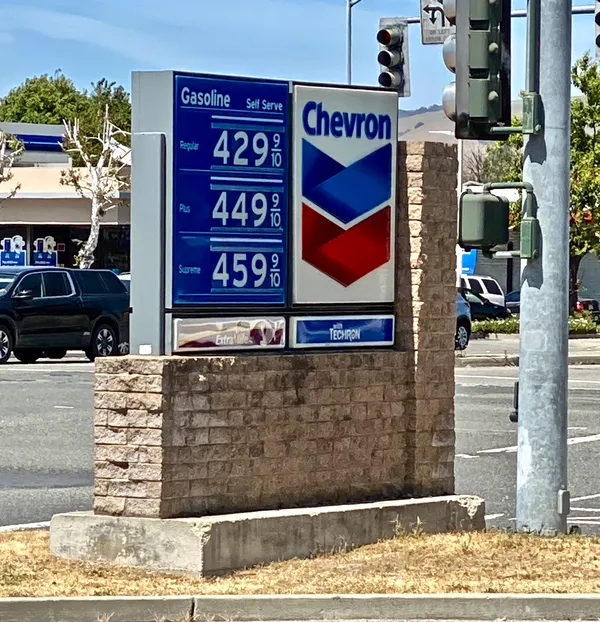
Gas prices rise quickly across the Bay Area
Drivers across the Bay Area are facing a rapid run-up in gasoline prices as the conflict involving Iran pushes crude oil higher and disrupts expectations for global supply. In the past week, prices in parts of the region climbed by roughly 30 to 40 cents per gallon, sending motorists searching for cheaper stations and adjusting driving routines to manage household budgets.
In San Jose, long lines formed at discount locations known for lower prices. Some drivers reported bypassing nearby stations posting mid-$5 per gallon prices to reach pumps closer to the mid-$4 range. Elsewhere in the region, stations approached $6 per gallon, underscoring how quickly conditions have shifted since the war began.
Why California is seeing a sharper impact
The price spike reflects both global and local pressures. Crude oil is the primary input for gasoline, diesel, and jet fuel; when crude rises, fuel costs generally follow. Nationally, average pump prices have risen markedly since the outbreak of hostilities, with California among the fastest-moving markets.
California’s fuel market is also shaped by in-state refining capacity and the specialized gasoline blend required for environmental regulations, which can limit flexibility when supplies tighten. As refineries close or reduce output, the state becomes more reliant on imported refined products, making prices more sensitive to disruptions and higher replacement costs.
- Higher crude prices feed directly into gasoline, diesel, and jet fuel costs.
- Supply constraints can be amplified in California by refinery availability and fuel specifications.
- Retail prices can move quickly when wholesalers reprice inventory.
Broader costs: flights, shipping, and everyday goods
The impact is extending beyond commuters. As jet fuel and diesel prices climb, transportation becomes more expensive across the economy. Airlines typically face higher operating costs when oil rises, and travelers are bracing for more expensive airfares. Trucking and delivery costs can also increase, raising the price of goods that move by road—from groceries to consumer products.
Nearly all goods that are bought and sold must be transported; higher fuel costs can raise expenses throughout supply chains.
Mixed public reaction amid rallies and political debate
The economic strain is unfolding alongside visible political division in the Bay Area. Over the weekend, crowds gathered in multiple locations—from San Jose to San Francisco—to voice support for, and opposition to, U.S. military action connected to the Iran conflict. Demonstrators in Los Gatos praised the decision to conduct a strike that killed Iran’s supreme leader, while other rallies reflected concern about escalation and longer-term consequences.
With fuel prices moving quickly and broader costs likely to follow, the region is confronting a dual reality: immediate pressure on household budgets and an intensifying debate over the conflict’s direction and duration.