Bay Area transit leaders model a future without BART amid looming deficits and a 2026 tax vote

A regional system built around BART faces a funding test
The Bay Area Rapid Transit system is confronting a structural operating deficit that agency materials place in the $350 million to $400 million range in the years ahead, as ridership remains far below pre-pandemic levels and fare revenue no longer covers the share of operating costs it once did. BART has adopted balanced budgets in the near term through cost controls, efficiencies and planned fare changes, but officials have warned that one-time emergency funds are expected to be exhausted before long-term finances stabilize.
What BART has approved: an “Alternative Service Plan” for FY27–FY28
On Feb. 26, 2026, the BART Board adopted an Alternative Service Plan intended to provide a framework for balancing budgets if new operating revenue does not materialize. The plan is designed around implementation beginning in January 2027 and outlines major reductions that could include earlier nightly shutdowns, longer waits between trains, and station closures. BART has stated the plan itself does not specify which stations would close, emphasizing that any closure decisions would require separate board action.
- The plan is tied to balancing the FY27 budget (July 1, 2026 through June 30, 2027) and FY28 (July 1, 2027 through June 30, 2028) under a scenario without new funds.
- Agency presentations describe a first phase built around significant service reductions and potential station closures, followed by further actions in FY28 if needed.
- BART has also outlined non-service reductions—such as changes to maintenance, cleaning, policing and administrative functions—as part of targeted savings.
The adopted framework sets up a “trigger” dynamic: service and access would be preserved at higher levels if new revenue arrives, but reductions would be prepared in advance so they can be executed quickly if it does not.
The ballot measure at the center of the debate
The long-term funding strategy now being developed for voters is enabled by state legislation known as the Connect Bay Area Act. The measure authorizes a regional transportation sales tax proposal for the November 2026 ballot across five counties—Alameda, Contra Costa, San Francisco, San Mateo and Santa Clara—intended primarily to support transit operations among the region’s largest operators, including BART. Regional planning materials describe the proposal as a time-limited tax designed to generate roughly $980 million annually across the five-county area and include accountability and maintenance-of-effort provisions for participating agencies.
Why “life without BART” has become a planning scenario
While BART leadership has emphasized that the goal is to avoid a downward spiral of cuts that reduce ridership and revenue, the agency’s own budget modeling has indicated that even extreme service reductions would not fully close projected gaps on their own. As a result, public discussions in 2026 have increasingly shifted from whether service could be reduced to how the region would adapt if core BART frequency, span of service, and station access were sharply constrained.
What happens next
Between now and the November 2026 election, the agency and regional partners are expected to continue refining the funding proposal and the operational consequences if it fails. For riders, employers and local governments, the next major waypoint is January 2027, when the adopted framework anticipates the first round of changes would be ready to take effect if additional operating funding is not secured.

Skyline Dreams and Soulful Serenades: Your San Francisco Morning Briefing
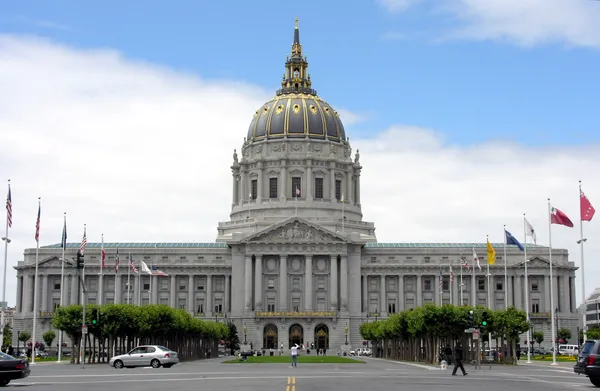
City Hall Bulletin: New EV Legislation, Health Alerts, and Transit Advisories for March 11

Roadwork Alert: Major 19th Avenue and US-101 Projects Impact Wednesday Commutes
