California moves to expand ship speed reductions, aiming to reduce whale strikes and emissions statewide
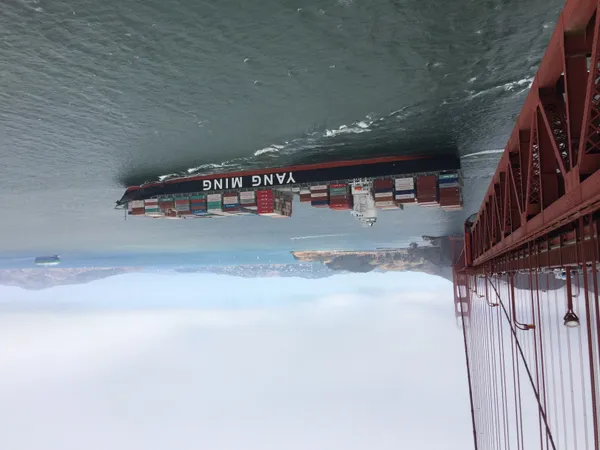
A voluntary maritime program is being positioned for broader reach along California’s coast
California is moving toward an expanded vessel speed reduction approach designed to cut the risk of fatal ship strikes involving endangered whales while also reducing air emissions and underwater noise from commercial shipping. The effort builds on an existing, voluntary framework that has operated for years in key offshore corridors where major shipping routes overlap with whale feeding and migration habitat.
The core measure is straightforward: large vessels are asked to slow to 10 knots or less when transiting designated vessel speed reduction zones during the months when endangered whale presence is typically elevated. The seasonal voluntary requests have generally been structured from May 1 through Dec. 31 in areas off San Francisco, Monterey Bay, and Southern California, spanning waters associated with several national marine sanctuaries.
Where and why vessel speed is being targeted
Shipping corridors off California include areas long recognized for heightened whale-strike risk, including the Santa Barbara Channel, where traffic separation schemes intersect with whale habitat. Federal sanctuary information also emphasizes that whale protections apply under multiple statutes, and that even unintentional whale strikes can create legal exposure under federal law.
The voluntary speed reductions are designed to address two overlapping concerns:
Whale safety: Lower speeds are used to reduce collision risk and severity for endangered blue, fin, and humpback whales.
Community and environmental impacts: Slower speeds can reduce ship emissions that can drift into coastal communities, and can also reduce underwater radiated noise.
Program expansion: broader zones and updated performance thresholds
In 2025, the southern California vessel speed reduction zone was expanded to include the Chumash Heritage National Marine Sanctuary, increasing the geographic footprint of the protected area. A mid-season program update in 2025 also described an increase in the recognition threshold for top-tier participation, raising the cooperation benchmark for the highest award level to 90% or greater.
Program monitoring relies on Automatic Identification System (AIS) ship data to evaluate vessel speeds and track cooperation within the zones. Program materials describe routine analysis of AIS records for eligible vessel traffic, and shipping companies can receive performance reporting during the season.
In California waters, vessel speed reduction initiatives are being used as a management tool in zones where commercial traffic and whale habitat overlap.
What happens next
The next policy steps center on scaling the approach beyond earlier regional footprints, with the objective of making whale-protection and emission-reduction practices more consistent along the California coast. Operationally, the program continues to focus on large vessels—generally those 300 gross tons or larger—and on a 10-knot target during the seasonal window when whale presence and air-quality considerations are both elevated.