Coyote Recorded Swimming to Alcatraz Island, a First for Park Biologists in San Francisco
A rare Bay crossing is documented as rangers search for the animal’s whereabouts
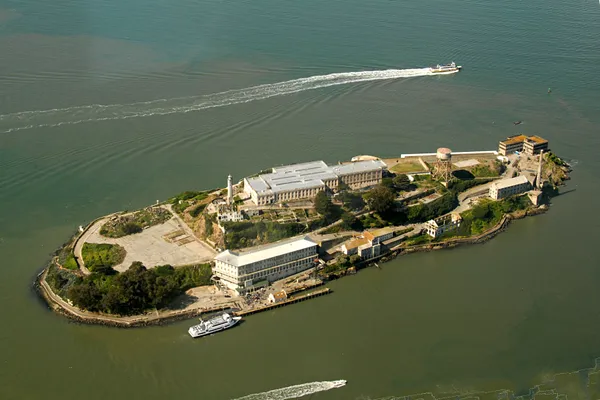
A coyote was recorded swimming to Alcatraz Island over the weekend, in what park officials described as the first documented instance of a coyote reaching the former prison island. The sighting was captured on video Sunday afternoon as the animal approached the island’s southern edge, drawing immediate attention because Alcatraz is separated from the San Francisco shoreline by strong currents and cold, open water.
After the report, rangers searched the island but did not locate the coyote. As of the latest update available Monday, it remained unclear whether the animal made it ashore and stayed on Alcatraz, or whether it was swept away and forced back into the Bay.
What is known about coyotes and Bay crossings
Wildlife managers in the Bay Area have increasingly documented coyotes using unconventional routes as the species expands across urban and coastal landscapes. In recent years, a small population became established on Angel Island after coyotes crossed by water, demonstrating that swimming is within the species’ capabilities under certain conditions.
Alcatraz, however, has long been considered an unlikely destination. Unlike larger landmasses connected by bridges or narrower channels, the island is relatively small and surrounded by heavily trafficked waters, tidal currents, and limited shoreline access.
Possible explanations: dispersal and seasonal behavior
Wildlife specialists say the most plausible driver is dispersal—when a coyote leaves its established range to seek new territory. Dispersal most often occurs in cooler months, and it can overlap with the species’ mating season. In San Francisco, this can intersect with dense road networks and limited green corridors, conditions that may push an animal toward riskier movement choices.
Because the video did not establish where the animal entered the water, its starting point remains uncertain. Several origin points are possible, including shoreline areas in San Francisco or the North Bay.
Ecological implications if a coyote remains on Alcatraz
Alcatraz functions as a significant seabird nesting site within the Golden Gate National Recreation Area, with seasonal closures commonly used to reduce disturbance during breeding months. A new terrestrial predator could change the island’s ecological balance if it survives and remains long enough to hunt or scavenge.
Potential food sources could include rodents and, during nesting season, eggs or vulnerable chicks.
Resource limits and lack of freshwater access would likely constrain long-term survival without returning to the mainland.
Park staff confirmed the event as unprecedented in their monitoring history and said the animal’s status remained unknown after an initial search.
Park officials and wildlife experts are expected to continue monitoring for signs of the coyote. For now, the incident stands as a rare data point in the evolving story of how adaptable predators navigate the Bay Area’s fragmented habitats.