Deadly Chinatown sidewalk crash near Grant and Jackson renews San Francisco debate over street safety measures
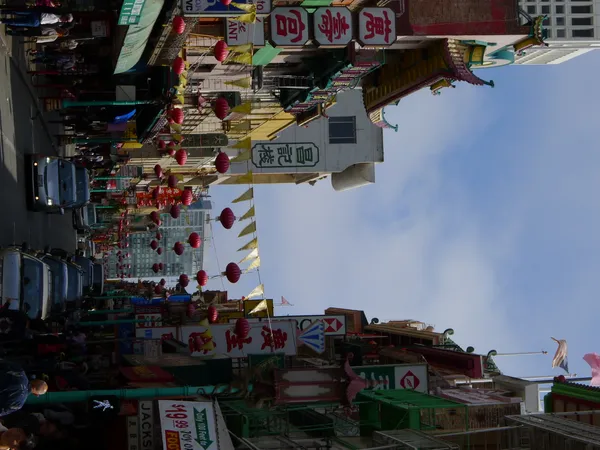
A fatal morning collision in the heart of Chinatown
San Francisco’s Chinatown is grappling with the aftermath of a deadly crash that unfolded at the intersection of Grant Avenue and Jackson Street on the morning of March 27, 2026. Police said the driver was attempting to park when the vehicle mounted the sidewalk, struck two pedestrians and crashed into a building.
One pedestrian died and another was injured. The incident drew an immediate emergency response and prompted renewed scrutiny of how sidewalk-level protections, curb design and vehicle access operate in one of the city’s most heavily walked neighborhoods.
A dense pedestrian corridor with little margin for error
Grant Avenue and Jackson Street sit within a compact street grid characterized by narrow sidewalks, frequent curbside loading activity, and high foot traffic tied to restaurants, shops and community destinations. Even low-speed vehicle errors in such environments can carry severe consequences because pedestrians have limited space to evade a vehicle that crosses the curb line.
The crash also reignited concern among residents and merchants about how routine maneuvers—such as parking, double-parking, and deliveries—interact with crowded sidewalks. In older commercial districts, curb space is often contested, and the resulting vehicle movements can create unpredictable conflicts at the edge of the roadway.
Chinatown’s shock comes amid a broader pattern of serious pedestrian crashes
The Chinatown fatality occurred during a period in which San Francisco has continued to confront pedestrian deaths citywide. Earlier this month, a pedestrian was killed in a collision near Kearny and Broadway on March 5, 2026, and police investigated another fatal crash near Broadway and Kearny in the same time frame. Separately, the legal and civic reverberations from the West Portal crash of March 16, 2024—where four people were killed at a transit stop—remained in public view in March 2026 following sentencing in that case.
Citywide data has shown that traffic deaths fell substantially from 2024 to 2025, but recent fatal incidents have underscored that reductions can be uneven across neighborhoods and that individual crashes continue to produce lasting harm.
What street-safety changes are typically examined after curb-jump crashes
In the wake of a vehicle leaving the roadway, transportation agencies commonly evaluate countermeasures designed to prevent cars from entering pedestrian space or to reduce the harm when errors occur. These discussions often focus on a mix of engineering, operations and enforcement, including:
- Physical barriers such as bollards or strengthened sidewalk edge treatments in high-foot-traffic blocks.
- Curb extensions and tightened turning/parking geometries that reduce vehicle speed and constrain misaligned maneuvers.
- Loading and passenger zones that reduce double-parking and last-second stops near intersections.
- Targeted speed management and intersection upgrades where conflicts are frequent.
For families and business owners, a single crash can alter perceptions of safety overnight, reshaping how residents move through streets that many use daily.
Investigators have not publicly released full details about contributing factors beyond the driver’s reported parking attempt. The crash remains a focal point for community discussions about practical, near-term safety upgrades in Chinatown’s busiest corridors.