Early plans outline high-rise redevelopment of San Francisco’s Caltrain railyards near Fourth and King station
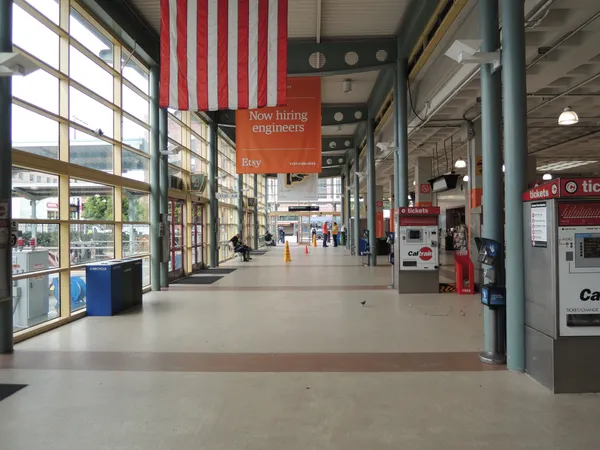
A major transit-adjacent site is being studied for housing, jobs, and new public spaces
Preliminary plans are taking shape to transform Caltrain’s railyards and station area at Fourth and King streets into a dense, mixed-use neighborhood that could add thousands of new homes in San Francisco’s South of Market–Mission Bay corridor. The concept centers on redeveloping an approximately 20-acre site that today supports rail operations adjacent to the city’s primary Caltrain terminal.
The current master-planning work envisions a cluster of high-rise buildings, including a signature mixed-use tower proposed at roughly 850 feet, alongside additional residential and commercial development. Early project descriptions cite an overall buildout exceeding seven million square feet of housing and other uses, though specific unit counts, building programs, and phasing remain subject to further design and approvals.
Ownership, rail operations, and the challenge of building around active infrastructure
The underlying land is owned by Prologis, while Caltrain retains a perpetual easement to operate rail on the property. Any large-scale redevelopment must accommodate continued rail service and the operational needs of the corridor, including yard functions tied to the Fourth and King terminal. Planning materials describe multi-agency coordination intended to align private development with public transportation investments and required infrastructure upgrades.
How the site fits into San Francisco’s evolving transit network
The railyards sit at a convergence of regional and local transit: Caltrain service at Fourth and King, Muni lines in the surrounding street network, and the Central Subway extension of the T Third line, which began revenue service on January 7, 2023 and connects the Fourth and King area to downtown and Chinatown. The location is also central to long-running proposals to extend Caltrain (and future California High-Speed Rail service) toward the Salesforce Transit Center via the Downtown Rail Extension project, known as The Portal.
Key issues likely to shape the next steps
Housing mix and affordability: While “thousands of homes” have been discussed conceptually, the proportion of below-market-rate units and the mechanisms to deliver them have not been finalized in the publicly described early concepts.
Transportation and public realm: Plans anticipate new streets, open spaces, and station-area changes intended to better connect SoMa, Mission Bay, and the waterfront-adjacent blocks around the ballpark.
Governance and approvals: City planning processes are expected to include a development agreement application and further environmental review and design refinement before any entitlement decisions.
The project is being framed as a high-density, transit-oriented redevelopment effort intended to coordinate major public transportation investments with large-scale private construction on a strategically located rail-served site.
For now, the work remains in the concept and pre-application stage. The timeline for formal filings, and the pace of any construction, will depend on the resolution of rail-operational requirements, infrastructure funding, and city approval milestones.