Eileen Gu’s Grand Marshal Role in San Francisco Chinatown Highlights Polarized Views on National Loyalty
A hometown celebration amid online backlash
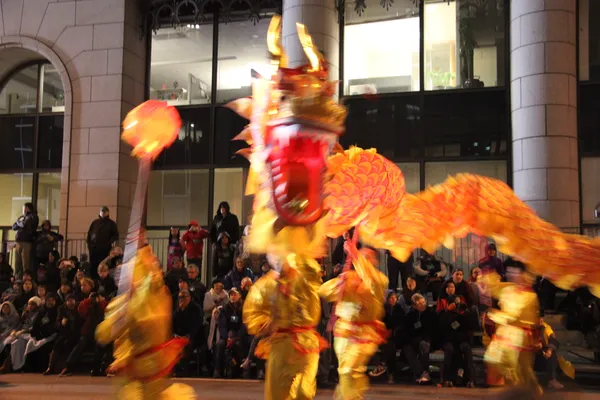
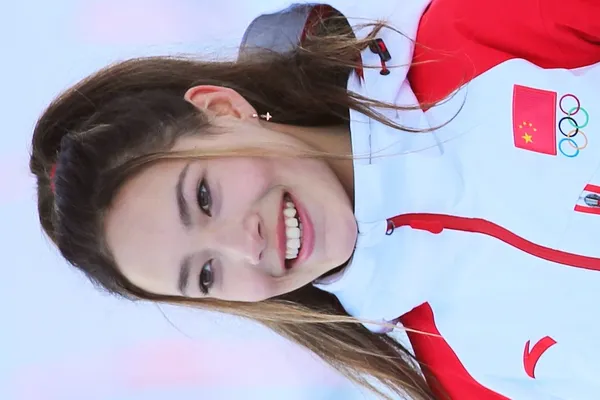
San Francisco-born freestyle skier Eileen Gu is set to appear as grand marshal of the city’s Chinese New Year Parade on March 7, 2026, a high-profile role that has drawn sharply different reactions depending on the audience. In recent days, posts on neighborhood forums and social platforms have urged a boycott of the event over Gu’s decision to compete internationally for China rather than the United States.
Parade organizers and several Chinatown community leaders have said the online criticism has not changed plans for Gu’s appearance. They describe the selection as a recognition of a local athlete who grew up in San Francisco and has longstanding ties to the city’s Lunar New Year celebrations.
Why Gu remains a flashpoint
Gu, 22, became a global sports figure after winning multiple Olympic medals and later returned to the spotlight during the 2026 Winter Games. Her choice to represent China has also made her a recurring subject of national-loyalty debates in the U.S., especially as broader U.S.-China tensions have intensified political scrutiny of high-visibility cultural symbols.
Those arguments have accelerated online in the run-up to the parade, sometimes framed as a contrast between Gu and other elite athletes with similar backgrounds who competed for Team USA. The comparisons have amplified a narrative in which personal identity and geopolitical rivalry are treated as inseparable, even though international sport has a long record of athletes representing countries other than their birthplace.
Chinatown’s framing: community, identity, and belonging
Within Chinatown, organizers have emphasized that the parade’s mission is cultural and civic rather than political. Community voices backing Gu have pointed to her San Francisco upbringing and to the parade’s history as a public celebration created by earlier immigrant generations to share culture with the broader city. Supporters argue that the intensity of the backlash reflects wider suspicion toward China that can spill into perceptions of Chinese Americans and immigrants.
Some local community leaders have also said Gu’s reluctance to publicly engage with major geopolitical controversies has become part of the dispute, with critics reading silence as complicity and supporters rejecting the expectation that an athlete must serve as a political spokesperson.
Public safety and event logistics
San Francisco police routinely staff the parade route each year, and city agencies have issued the usual traffic and transit advisories associated with the event. Organizers have acknowledged receiving hostile messages related to Gu’s role while maintaining that the parade will proceed as planned.
Key facts at a glance
- The San Francisco Chinese New Year Parade is scheduled for March 7, 2026.
- Eileen Gu, a San Francisco native, is slated to serve as grand marshal.
- Online calls for a boycott have circulated in local social-media spaces tied to the controversy over her competing for China.
- Organizers have said the event will continue with standard public-safety measures along the route.
The dispute surrounding Gu’s appearance underscores how a civic cultural event can become a proxy battleground for national identity debates, particularly in immigrant communities navigating external political pressures.
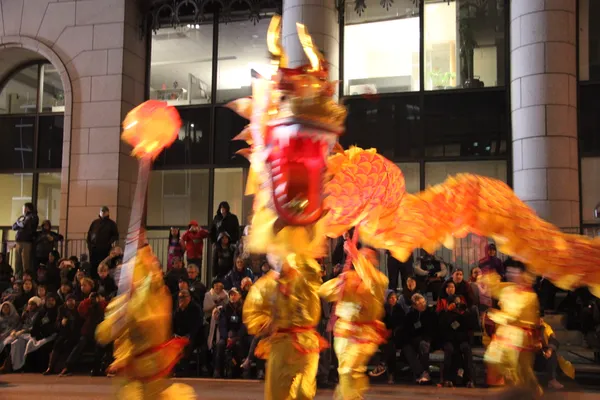
Photos and video capture the 2026 San Francisco Chinese New Year Parade’s route through downtown
Two Men Wounded in Early-Morning Tenderloin Shooting Near Turk and Taylor, San Francisco Police Say
San Francisco jury convicts Kasimu Harris of domestic violence, child abuse, and violating protective order conditions