El Mencho’s San Francisco arrests and deportations resurfaced after reported killing in Mexico operation
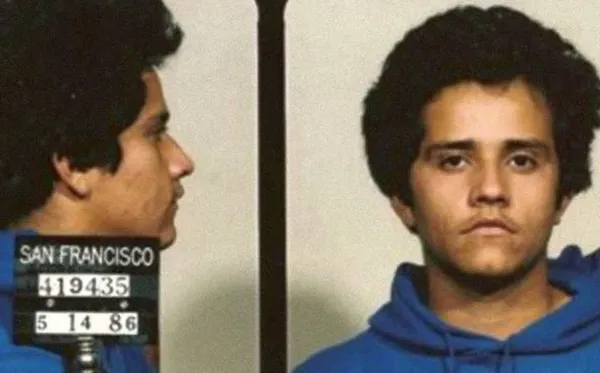
Early Bay Area cases drew scrutiny after reports of cartel leader’s death
Nemesio Rubén Oseguera Cervantes, widely known as “El Mencho,” built the organization Mexican and U.S. authorities identify as the Jalisco New Generation Cartel (CJNG). In late February 2026, renewed attention has focused on his little-known early encounters with law enforcement in Northern California, including arrests in San Francisco and multiple removals from the United States, detailed in court records and federal law-enforcement materials.
Mexican authorities reported that Oseguera Cervantes, 59, died on Feb. 22, 2026, after being wounded during a security operation in Jalisco. Reports of retaliatory violence and disruptions in western Mexico followed, reflecting CJNG’s capacity to respond rapidly with coordinated road blockades and arson attacks.
San Francisco arrests in the 1980s and a federal heroin case
Records tied to Oseguera Cervantes’ time in the Bay Area indicate that he was arrested in San Francisco in 1986 at age 19 and again in 1989 on narcotics-related allegations. Those episodes were followed by deportations to Mexico and subsequent returns to the United States.
A separate federal case from the early 1990s placed him and his brother, Abraham Oseguera-Cervantes, at the center of an undercover heroin transaction. The deal involved five ounces of heroin sold for $9,500 at the Imperial Bar in San Francisco. The prosecution moved through federal court, culminating in guilty pleas and sentences: Abraham Oseguera-Cervantes received a 10-year prison term in 1993, and Nemesio Oseguera Cervantes received a five-year term the following year. Court records also reflect pretrial detention at Santa Rita Jail and a transfer order to a federal facility in Pleasanton that later closed.
The federal case documents also show that he used the nickname “Mencho” during this period—years before it became synonymous with CJNG’s rise.
From U.S. criminal cases to a transnational target
U.S. authorities later treated Oseguera Cervantes as a top-priority fugitive and publicly posted a reward of up to $15 million for information leading to his arrest and/or conviction, an amount increased in December 2024. U.S. justice filings in related prosecutions have also described CJNG’s reliance on allied networks, including Los Cuinis, a group that prosecutors say financed CJNG’s growth.
Why the history matters to San Francisco now
The resurfacing of Oseguera Cervantes’ San Francisco history comes as the city continues to confront the lethal impact of illicit opioids. San Francisco recorded more than 600 accidental drug-overdose deaths in each year from 2020 through 2024, with fentanyl implicated in a large share of fatalities, based on city public-health reporting.
2020: more than 700 deaths
2021–2022: roughly 600+ deaths annually
2023: more than 800 deaths
2024: more than 600 deaths
Investigators have long linked CJNG to the trafficking of multiple drugs into U.S. markets. The combination of Oseguera Cervantes’ early Bay Area cases and his later role in a cartel blamed for major cross-border drug flows has made his San Francisco chapter newly relevant as officials assess how transnational supply chains intersect with local harm.