Federal shutdown strains Coast Guard vessel traffic operations, raising navigation safety concerns across San Francisco Bay waterways
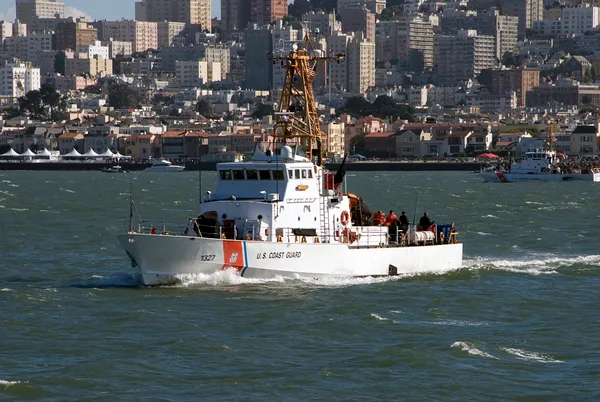
Shutdown-related pay lapse hits Bay Area’s maritime safety system
San Francisco Bay’s vessel traffic management system is operating under strain during the ongoing federal funding lapse affecting the Department of Homeland Security, the agency that houses the U.S. Coast Guard. The lapse began on February 13, 2026, and has required many essential federal employees to continue working without pay while Congress negotiates appropriations.
In the Bay Area, the most immediate maritime concern centers on the Coast Guard’s Vessel Traffic Service (VTS) San Francisco, which monitors and coordinates vessel movements across the bay and its approaches to the Golden Gate. The service supports a wide range of traffic, including deep-draft cargo ships, passenger ferries, tour boats, tugs, and vessels operating with state-licensed bar pilots. The VTS center is located on Yerba Buena Island and is designed to provide continuous coverage.
How Vessel Traffic Service supports safe and efficient transits
VTS San Francisco functions as a navigation assistance and traffic organization system, using tools that include radar, Automatic Identification System signals, radio communications, and cameras to maintain a real-time picture of vessel movements. The system is intended to reduce close-quarters situations in constrained channels, improve predictability, and support incident response when mechanical failures, severe weather, or other disruptions occur.
During funding lapses, Coast Guard missions continue, but the service has warned in past shutdown periods that reduced capacity can affect marine safety, ports and waterways security, environmental response readiness, and maintenance activities that support long-term operational reliability.
Workforce stress and reduced capacity become operational variables
Maritime stakeholders in the Bay Area have raised concern that missing multiple paychecks can add financial and emotional stress for personnel performing high-consequence work such as traffic monitoring and communications. The operational challenge is not the absence of communication systems, but the risk that staffing strain or reduced capacity can make coordination less resilient during complex, high-traffic periods.
Protocols exist for periods when VTS operates at reduced capacity, allowing pilots to continue guiding commercial ships; however, the system is designed to function best when VTS is fully staffed and actively coordinating movements across commercial, passenger, and recreational traffic.
Why the Bay has limited margin for error
The San Francisco Bay navigation environment includes narrow channels, bridge transits, strong currents, fog, and heavy mixed-use traffic. Recent national attention to bridge vulnerability following major vessel allisions has underscored the importance of layered safeguards, including professional pilotage, traffic organization, and rapid coordination when a vessel loses propulsion or deviates from planned movements.
Key points for Bay operators and the public
- VTS San Francisco is designed for continuous operations and coordinates vessel movements in one of the nation’s most complex waterways.
- The current funding lapse began February 13, 2026, requiring essential Coast Guard personnel to work without guaranteed near-term pay.
- Reduced capacity can increase operational stress and diminish redundancy during peak traffic or fast-moving incidents.
- Maritime commerce, passenger ferry operations, and commercial fishing activity all depend on predictable and well-coordinated vessel movements.
As negotiations continue in Washington, Bay Area maritime operators are relying on established procedures to maintain safe transits, while warning that prolonged disruption to essential staffing and pay stability can introduce avoidable risk into a system built around constant vigilance.