How a Lafayette therapy dog is easing dental anxiety for patients in an East Bay practice
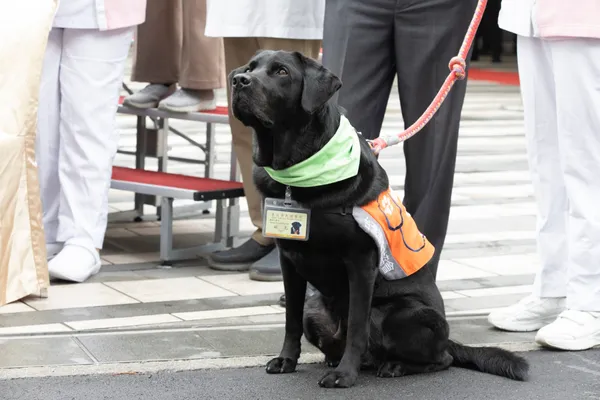
A canine presence is being used to reduce stress during routine care
A dental practice in Lafayette has added a therapy dog to help patients who experience anxiety around dental visits. The dog greets patients as they arrive and offers calm, physical contact—typically through petting and close companionship—aimed at lowering stress in waiting-room moments that can heighten fear of treatment.
The approach reflects a broader shift in some dental settings toward nonpharmacologic comfort measures, alongside established options such as behavioral techniques, distraction tools, and sedation in appropriate cases. In-office therapy animals are increasingly discussed within dentistry as a way to support patients who delay or avoid appointments because of fear.
Dental fear is widespread and can affect follow-through on care
Dental fear spans a wide spectrum, from mild unease to severe fear that interferes with receiving routine care. In a recent census-matched survey of U.S. adults conducted in late 2024 and published in 2025, most respondents reported some level of dental fear, and a substantial share described moderate or severe fear. Researchers also found strong interest among fearful respondents in accessible interventions designed to reduce that fear.
Clinical literature has long linked dental anxiety to missed appointments and delayed treatment, which can contribute to more complicated care needs over time. In practice, clinicians often try to identify triggers—such as needles, drilling sounds, gag reflex, or prior negative experiences—so visits can be structured to reduce stress and improve the likelihood that patients complete recommended treatment.
What therapy dogs can—and cannot—do in a dental office
Therapy dogs used in healthcare environments are generally trained and evaluated for temperament and handling, with protocols designed to maintain predictable behavior around unfamiliar people. In dental offices, dogs are commonly positioned in non-sterile areas such as reception spaces, where patients can interact before and after procedures. Some practices also build workflows around specific moments when the dog should enter or leave to avoid interfering with clinical tasks.
Dental organizations have also emphasized clarity about animal roles. Service animals are trained to perform specific tasks for a person with a disability. Therapy dogs are typically deployed to provide comfort to multiple people in structured settings. Emotional support animals, while helpful for some individuals, are not trained for task-based assistance in the way service animals are.
Operational considerations: safety, consent, and patient access
Patient choice: Practices that use therapy animals may need a clear opt-out process for patients who prefer not to be around dogs.
Infection control and boundaries: Dogs are commonly kept out of operatories and away from sterile instruments and treatment fields.
Allergies and phobias: Dental teams must plan for patients with allergies, fear of animals, or other sensitivities.
Training and supervision: Therapy dogs require ongoing oversight to ensure consistent behavior and appropriate interactions.
In Lafayette, the therapy-dog model is being presented as a practical, low-barrier comfort tool—designed to help anxious patients feel steady enough to begin, continue, and return for care.