How US-Israel strikes on Iran could raise Bay Area gas prices through oil and supply risks
Global crude markets moved quickly after the Iran strikes
Airstrikes carried out by the United States and Israel against Iran on Feb. 28, 2026 injected new risk into global oil markets, where prices reflect not only current supply and demand but also the probability of future disruption. The immediate focus has been the Strait of Hormuz, a narrow maritime corridor that handles a significant share of internationally traded oil and is central to Gulf-region exports.
In the first hours after the strikes, crude benchmarks rose as traders reassessed the likelihood of shipping delays, higher insurance costs, or a broader escalation that could affect production and transport across the region. Market participants have also monitored Iran’s retaliatory posture and the security environment for tankers transiting nearby waters.
Why Bay Area drivers can feel global shocks even when California buys little Iranian oil
California’s pump prices are shaped by global crude costs, regional refining capacity, and the state’s specialized gasoline requirements. Even without direct dependence on Iranian barrels, a rise in world crude prices can push up the cost of inputs used to produce gasoline, and that can translate into higher wholesale prices for finished fuel.
The Bay Area is particularly exposed to supply tightness because Northern California relies on a limited set of refineries and imports when local production is constrained. In practice, this can amplify price movements when global crude rises at the same time the West Coast fuel system is already tight.
Local constraints: refinery shifts add sensitivity to price swings
California’s refining system has faced structural pressure, including reduced output and operational changes at large facilities. In Northern California, the Benicia refinery has been moving toward idling, with state officials stating it is expected to continue producing gasoline through April 2026 before the site is fully idled, after which supply would be supported by inventories and imports.
When regional refining capacity is in transition, wholesale gasoline markets can react more sharply to external shocks, including geopolitical events that raise crude prices or disrupt product shipments.
Timing: why pump prices usually lag crude moves
Drivers typically do not see same-day changes that match crude-market headlines. Retail prices often adjust with a lag as stations sell fuel purchased at earlier wholesale prices, while distributors and retailers update replacement costs. If crude remains elevated for multiple trading sessions, that persistence is more likely to filter into wholesale gasoline and then into retail prices.
What to watch in the coming days
- Whether oil prices remain elevated or retreat as the risk outlook shifts.
- Any shipping disruptions or restrictions affecting the Strait of Hormuz.
- West Coast refinery operations and inventories, which can determine how strongly California prices respond.
- Wholesale gasoline price movements, an early indicator for retail changes.
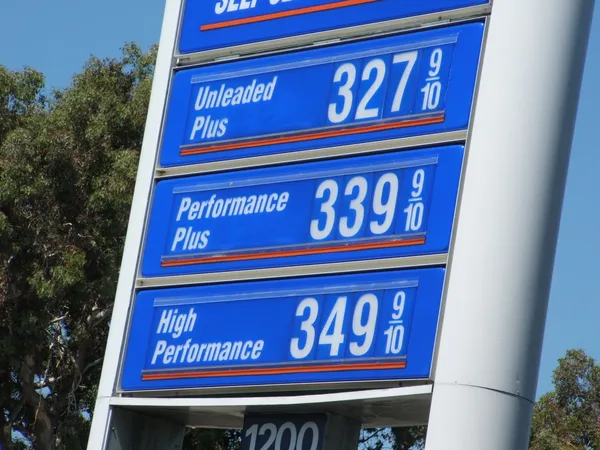
Bay Area pump prices are influenced by global crude costs, but local refining capacity and imports often determine how sharply those costs show up at the station.
For Bay Area motorists, the practical impact will depend on duration and escalation: a short-lived risk premium in oil may fade before it fully reaches retail signs, while a prolonged period of higher crude prices and shipping insecurity would increase the likelihood of noticeable increases at the pump.

San Francisco apartment rent growth accelerates again as limited supply and tech demand tighten market conditions

Fog, Festivities, and First Thursdays: Your San Francisco Morning Briefing