Juul’s 123 Mission Street Tower Faces Debt Deal That Reprices Its Value Far Below 2019
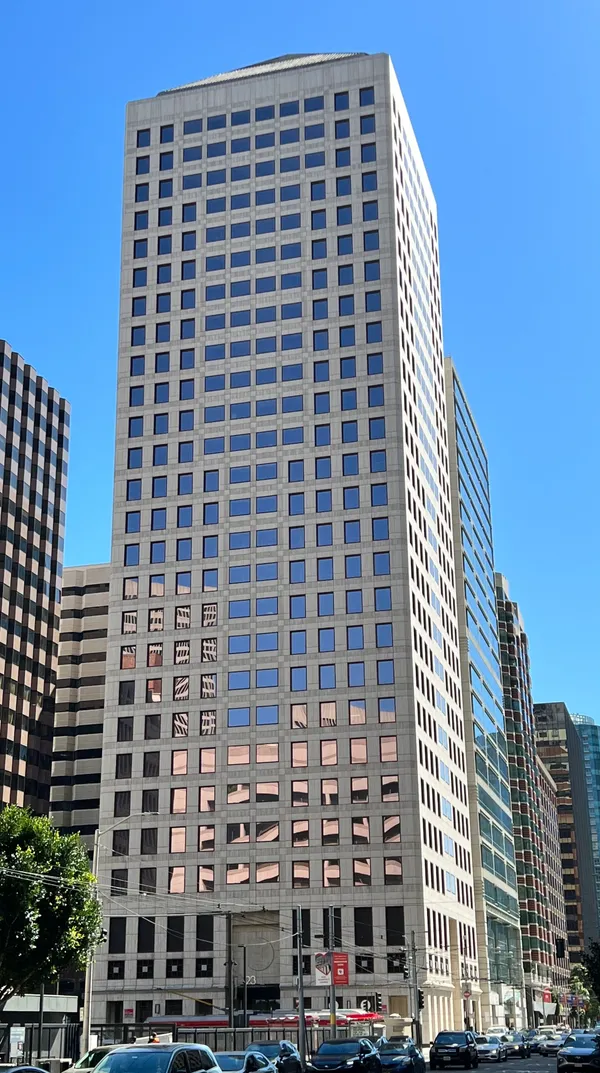
A landmark tech-era purchase collides with San Francisco’s office downturn
Juul Labs’ 2019 purchase of a 29-story downtown San Francisco office tower at 123 Mission Street for about $397 million is being re-evaluated by a new debt-related transaction that implies a much lower value for the property. The building—acquired at the height of pre-pandemic demand for large, modern office space—has since become a case study in how sharply the city’s commercial real estate economics have shifted.
At the center of the latest development is a proposed transfer of the debt backed by 123 Mission Street to a buyer group that includes Madison Capital and PGIM, the investment-management arm associated with Prudential Financial. The contemplated structure would give the new debt holders a pathway to control the property through foreclosure or a negotiated transfer, depending on final terms.
What is known about the building and the repricing dynamic
Property: 123 Mission Street, a 29-story office tower in downtown San Francisco.
Prior benchmark: Juul acquired the building in June 2019 for roughly $397 million, widely characterized at the time as a major owner-occupier bet by a tech-adjacent company.
Current signal: The new debt transaction being discussed values the asset at a fraction of the 2019 price, reflecting a steep reset in office fundamentals and investor appetite.
Why a debt deal can redefine a tower’s effective value
In distressed office markets, note sales and loan workouts often become the price-discovery mechanism. A discounted purchase of a property’s debt can provide the buyer with an economic position that is meaningfully below the previous ownership cost basis. If the borrower cannot refinance or stabilize occupancy and cash flow, the debt holder may ultimately take title, setting a new valuation benchmark even without a traditional arm’s-length building sale.
Debt transfers can function as a proxy for a sale price when conventional buyers are scarce and financing is constrained.
Context: a tower purchased for growth, then caught in a demand collapse
Juul’s acquisition was announced amid rapid expansion plans. Within months, the company began restructuring, and the building was later marketed for sale as Juul’s real estate needs changed. As downtown office vacancy increased and leasing activity slowed, large blocks of space became harder to backfill, and office values across San Francisco faced broad downward pressure.
For 123 Mission Street, the emerging debt transaction underscores the difficulty of sustaining pre-2020 valuations in an environment marked by reduced office utilization, higher required returns for investors, and limited lending for large-office acquisitions. The outcome—whether a negotiated transfer or a foreclosure-driven change of ownership—would likely establish a new reference point for similar downtown assets navigating the same repricing cycle.