Los Angeles and San Francisco teachers authorize potential strikes as contract talks stall and budget pressures rise
What the votes mean and what could happen next
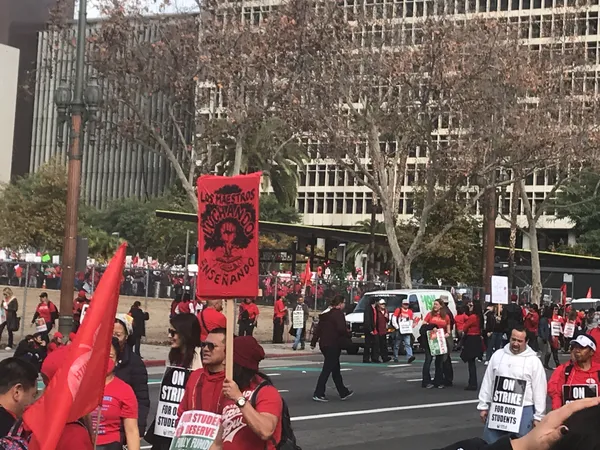
Teachers unions in Los Angeles and San Francisco have voted to authorize strikes, a procedural step that allows union leadership to call a walkout if negotiations fail to produce new labor agreements.
Strike-authorization votes do not automatically trigger a strike. They signal escalating leverage in bargaining while talks continue, and they typically precede additional legal and procedural steps required before a walkout can begin.
San Francisco: first strike in decades becomes a near-term possibility
In San Francisco, members of United Educators of San Francisco approved strike authorization by 97.6% among more than 5,200 voters. The union represents a broad range of SFUSD staff, including teachers and other school-based professionals.
The vote follows months of negotiations over compensation and working conditions, including staffing stability and special education supports. A walkout would be the city’s first teachers’ strike since 1979, when educators remained off the job for weeks.
Timing matters: under the state’s collective-bargaining framework, a strike is typically constrained by required processes such as fact-finding and any applicable cooling-off period. Local reporting indicates a strike could not occur immediately and could become legally possible in early February, depending on those procedural milestones.
Los Angeles: authorization vote amid warnings of layoffs and deficit projections
In Los Angeles, United Teachers Los Angeles reported a 94% strike-authorization vote as negotiations with Los Angeles Unified continue. The dispute is unfolding alongside district warnings of staff reductions and longer-term budget imbalance tied to falling enrollment and the end of one-time pandemic-era funding.
The union’s stated priorities include higher salary increases—particularly for early-career teachers—and stronger automatic pay progression. LAUSD, in turn, has argued that union proposals would create costs it cannot sustain under its multiyear projections, while union leaders have challenged the district’s budgeting assumptions and pointed to reserves as a central issue in the debate.
Shared pressures: staffing, special education, and the cost of living
Although each district’s bargaining details differ, both disputes reflect overlapping themes in California public education: difficulty recruiting and retaining educators in high-cost regions, persistent staffing gaps, and heightened demands on school-based services. Special education support levels and caseload conditions have emerged as a notable concern in multiple districts considering labor action.
San Francisco’s vote authorizes a strike that would be the first in nearly half a century for the district.
Los Angeles’ authorization vote increases pressure during negotiations occurring amid anticipated staffing reductions and fiscal uncertainty.
In both cities, authorization votes mark escalation—but do not set a strike date by themselves.
Strike authorization is a bargaining tool: it expands options for union leadership while negotiations and statutory procedures continue.
What families should watch
Key near-term indicators include whether the parties narrow salary and staffing proposals, whether required impasse procedures conclude, and whether unions schedule additional member votes or set timelines consistent with labor law. Districts may also publish more detailed budget updates and staffing plans that influence negotiations and public response.