Midweek storm set to soak San Francisco as flood watch highlights streets, hillsides, and coastal hazards
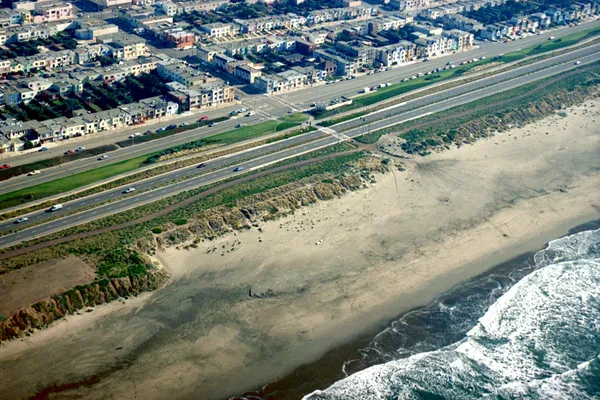
A wetter, more disruptive system is expected to arrive Monday night and peak Tuesday
San Francisco is heading into a midweek storm cycle expected to bring steady rainfall, locally heavier downpours, and conditions that can overwhelm drainage in low-lying areas and strain steep hillsides. After a cool, mostly cloudy start to the weekend with only light shower potential, forecasts indicate a stronger system moving in Monday night, with Tuesday shaping up as the period with the highest likelihood of widespread rain.
The storm setup is notable for the potential of tropical moisture feeding into the system. That pattern can increase rainfall intensity in short periods, raising the risk of brief street flooding, ponding at intersections, and runoff-related issues near hills and slopes.
Why “streets and slopes” are a focus during heavier rain
San Francisco’s street-level flooding risk is closely tied to how quickly rainfall falls versus how quickly storm drains and sewers can carry it away. When the volume arrives too fast, water can pool in predictable trouble spots—particularly in low-lying corridors, near underpasses, and along historic drainage pathways shaped by the city’s pre-development creeks and wetlands.
On hillsides, saturated soil can destabilize shallow ground layers, increasing the likelihood of small slides, debris movement, or falling branches. Even where rainfall totals are moderate, bursts of heavy rain can trigger localized impacts.
- Urban flooding can occur when drainage capacity is exceeded, even without creeks overtopping.
- Steep terrain can see rapid runoff, which concentrates water onto downhill streets.
- Shallow landslides are more likely when soil becomes saturated over successive wet periods.
Wind and marine impacts may compound travel and shoreline risks
Along with rain, southerly winds are expected to increase, with the strongest gusts favored along exposed shoreline locations and higher terrain. On the water, hazardous conditions may affect small craft, and periods of elevated surf can create dangerous beach conditions—particularly where larger sets arrive after long lulls that can mislead people into moving closer to the waterline.
Conditions that bring heavy rain and gusty winds inland often coincide with more hazardous surf and unpredictable shoreline wave run-up along the coast.
What residents can do now: practical steps for a short-notice storm
City guidance for heavy rain emphasizes preparing for localized flooding and avoiding travel through standing water. Residents in flood-prone areas can stage basic materials, check nearby catch basins for visible blockage, and plan alternate routes if typical low spots begin to pond.
- Avoid driving through standing water; even shallow flows can move a vehicle.
- Report non-life-threatening flooding and storm impacts through the city’s 311 system; call 911 for emergencies.
- For properties that repeatedly flood from the street or sewer system, the city’s flood-resilience resources include mapping tools and a grant program for eligible property owners to install protective measures.
With the heaviest rain expected Tuesday and wet roads likely to slow commutes, officials are urging residents to plan ahead, allow extra travel time, and monitor official alerts as the storm approaches.