Mission District home mural of Cesar Chavez painted over as sexual abuse allegations prompt broader reassessments
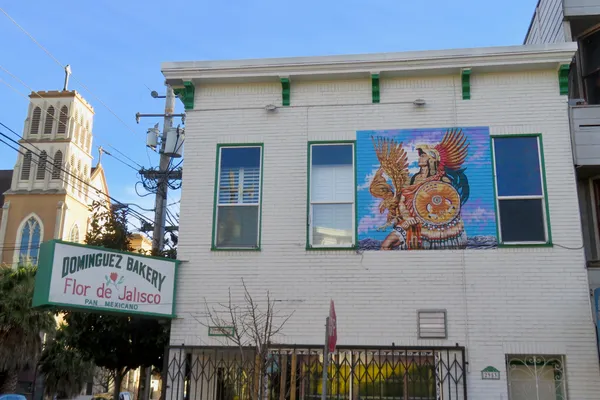
A prominent Mission District artwork was quickly altered after new allegations surfaced
A mural depicting labor leader César Chávez at a well-known home in San Francisco’s Mission District has been painted over in the days following renewed public attention to sexual abuse allegations involving Chávez. The decision has become part of a fast-moving national reassessment of monuments, school names and public tributes associated with the late United Farm Workers co-founder.
The painting-over in the Mission District comes as institutions in multiple states have moved to cover or remove statues and busts honoring Chávez, and some local governments have begun reconsidering ceremonial observances tied to his legacy. The pace of actions reflects how quickly the allegations have shifted the public discussion around a figure long associated with farmworker organizing, civil rights-era coalition building and labor advocacy.
What is known about the allegations and the institutional responses
The allegations have centered on claims that Chávez sexually abused women and girls during the period when he led the United Farm Workers. In recent days, the allegations have been publicly echoed by prominent figures from within the farmworker movement itself, elevating the issue from rumor and secondhand accounts to a matter demanding formal institutional response.
Among the most consequential actions so far: a California university moved to cover a campus statue of Chávez and announced plans to remove it. In other cities, public artworks and tributes have been taken down or placed under review, and scheduled public celebrations connected to César Chávez Day have been canceled or reconsidered ahead of March 31, Chávez’s birthday and the date of the federal observance.
Why San Francisco’s mural debate is distinct
San Francisco’s Mission District is home to one of the nation’s densest collections of murals, many of them rooted in Latino community history and social movements. Murals in the neighborhood frequently serve as public memory—created by artists, community groups and property owners, and maintained through a mix of volunteer restoration, private funding and occasional city involvement.
Because many murals are painted on privately owned walls, decisions to remove, cover or repaint them can happen rapidly and without a public process. The Mission District mural painted over at a private home underscores the tension between a neighborhood tradition of public-facing art and the legal reality that much of it exists at the discretion of property owners.
Key questions now facing cities, schools and cultural institutions
What standards should govern the renaming or removal of public honors when allegations surface against historical figures?
How should institutions distinguish between commemorating movement achievements and elevating an individual as a symbol?
What due-process steps—if any—should precede changes to public monuments and place names?
How can communities preserve artworks of historical significance while acknowledging new, credible allegations?
The rapid changes to murals and monuments reflect an emerging reality: civic honors can be as vulnerable to new information as they are central to public identity.
In San Francisco, the painted-over Mission District mural is likely to intensify local conversations about how the city’s visual landscape records history—and how quickly that record can change when new allegations reshape public understanding of a once-celebrated leader.