North Beach homeowners face San Francisco order to restore four apartments after illegal single-family conversion
A North Beach purchase becomes a test case for San Francisco’s rules on unit loss
A renovated North Beach property bought and occupied as a single-family home is now at the center of a city enforcement and appeals process that could require it to be rebuilt into four separate apartments. The dispute highlights how San Francisco regulates the removal or merger of housing units, and how those rules can collide with ownership changes after unpermitted work.
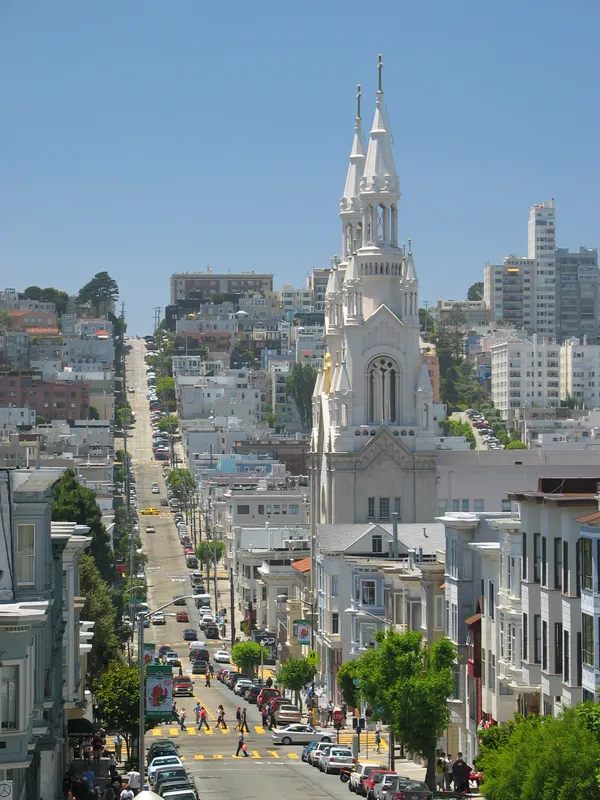
The property at 524–526 Vallejo Street is a roughly 3,700-square-foot building that current owners Katelin Holloway and Ben Ramirez purchased for $4.75 million and moved into in 2021. City records and planning history reflect the building as containing four dwelling units. The home’s interior configuration, however, no longer matches that four-unit status.
What the city says happened — and what remains disputed
City officials have stated that the building was altered without proper authorization, resulting in an improper conversion from multiple units to a single-family layout. Inspectors had signed off on the building as a four-unit complex in 2016. The San Francisco Department of Building Inspection has said the interior was improperly altered at some point between then and a Planning Department site visit in 2022.
Responsibility for the changes is contested. A contractor and real estate broker who bought the building in 2010 has said he completed major renovations but did not merge the units, describing the building at the time of sale in 2017 as having four kitchens and fire doors separating units. The building was later purchased by an LLC, and the sellers who ultimately sold to Holloway and Ramirez were not available publicly to comment in existing reporting.
The owners’ request and the Planning Commission deadlock
Holloway and Ramirez appealed to legalize the building’s current use while reinstating one unit, a proposal that would bring back a studio on the ground floor. In December 2025, the San Francisco Planning Commission split 3–3 on a request that would have legalized the merger of three units into one while reinstating a fourth unit. Because the vote did not reach a majority, the request did not advance.
Why the case matters in a housing-short city
San Francisco’s planning rules treat the loss of dwelling units through merger or conversion as a significant policy issue. Unit mergers can be allowed, but they generally require Planning Commission review and approval. In recent years, city planning officials have described such approvals as difficult to obtain when they would reduce the number of homes available.
Tenant and housing advocates argue the four units should be reconstituted, emphasizing the city’s limited housing supply and the importance of consistent enforcement.
The homeowners have said they did not create the alleged violation and have sought a remedy short of recreating all four apartments.
What happens next
The matter is expected to move to the San Francisco Board of Supervisors, which is positioned to make a consequential decision about whether the property must be returned to a four-unit configuration. Separately, building inspection officials have said they are examining the Vallejo Street conversion and have identified at least six other properties where they suspect illegal construction or the illegal removal of housing units may have occurred, raising the prospect of broader enforcement beyond this single address.
The case now stands as a high-profile example of how San Francisco adjudicates unpermitted unit loss when enforcement arrives after a property has changed hands.