Raw beef left outside San Francisco’s Hamburger Project sparks food safety questions and online backlash
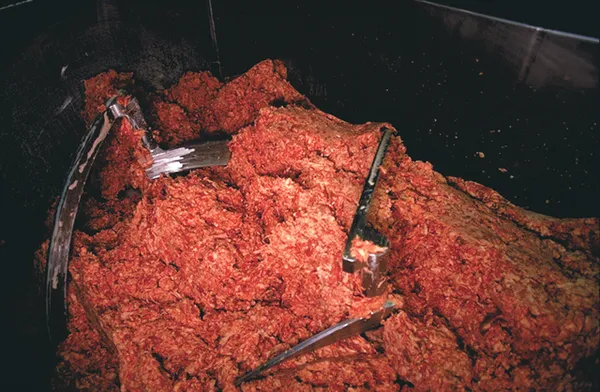
Photo prompts rapid scrutiny of a downtown burger restaurant
A photo circulating on social media over the weekend showed packaged raw ground beef left on a public sidewalk outside Hamburger Project, a popular San Francisco burger spot. The image drew immediate backlash from customers and residents, with commenters questioning whether the meat was intended for service and why it was unattended outdoors.
The restaurant publicly disputed the implication that the meat entered its kitchen workflow. In a statement posted after the photo spread, Hamburger Project said a delivery driver left the product outside and that the restaurant discarded it upon discovery.
What can be verified from available records
- The photo depicts raw ground beef in retail-style packaging placed outdoors, not inside a temperature-controlled storage area.
- The incident triggered a wave of online discussion and calls for accountability typical of food-handling controversies, where a single image can shape consumer perception before inspections or official findings are known.
- The restaurant said the product was not served and was discarded.
Why leaving raw meat outdoors can become a regulatory issue
San Francisco food facilities are subject to routine inspections by the city’s environmental health program. Standard food-safety rules require potentially hazardous foods, including raw meat, to be protected from contamination and held under time-and-temperature controls during receiving, storage and preparation. When meat is left in a public area, the risk profile changes quickly: exposure to ambient temperatures, pests, and contact with unclean surfaces can make the product unsuitable for service even if it remains sealed.
For restaurants, receiving procedures are designed to prevent precisely this scenario—unattended deliveries, uncertain chain-of-custody, and product that cannot be verified as having stayed within required temperature limits.
Context: a familiar pattern in the Bay Area’s viral food safety episodes
Bay Area food businesses have repeatedly faced sudden reputational damage when videos or photos show questionable handling practices. In recent years, health departments in the region have acted swiftly when evidence suggested raw meat was placed on unsanitary surfaces, including temporary closures and follow-up inspections. While the Hamburger Project photo does not, by itself, establish that food was served unsafely, it highlights how quickly public attention can escalate and how important documented receiving and disposal procedures become once an image circulates widely.
In the absence of official inspection findings tied to the specific photo, the central unresolved question is procedural: how a delivery was left outside and what safeguards ensured the product never entered service.
What to watch next
The next developments are likely to include whether a complaint is filed, whether inspectors review receiving practices, and whether the restaurant or its suppliers revise delivery protocols to prevent unattended drop-offs. For diners, the episode underscores a broader reality of the modern restaurant economy: trust can be undermined in minutes, while verification—through documentation, inspection and corrective action—takes longer.