Sam Smith opens a 20-night Castro Theatre residency as San Francisco landmark returns after $41 million rebuild
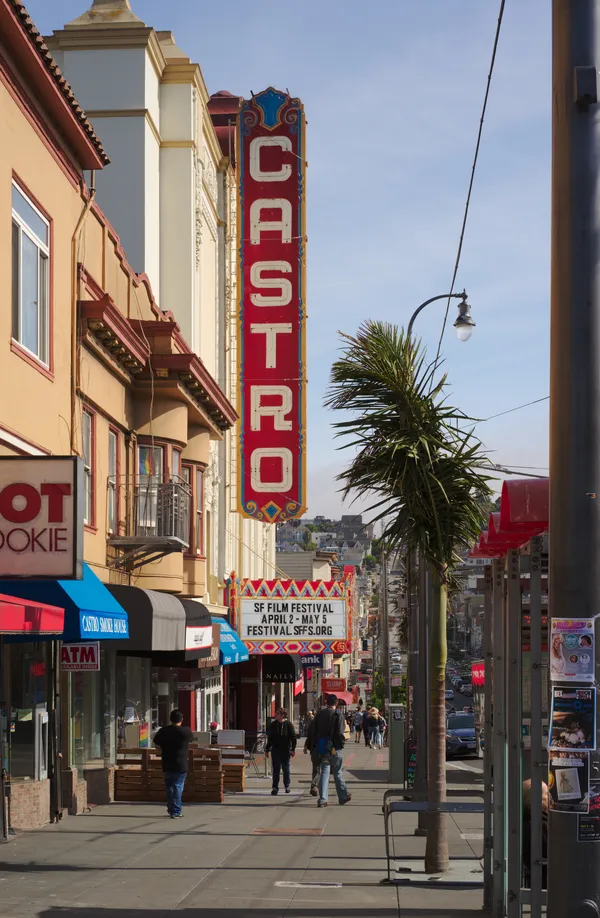
A reopening anchored by a multi-week run
Sam Smith’s concert residency has begun at San Francisco’s Castro Theatre, marking one of the first major live engagements for the venue following a multi-year renovation. The run, billed by the theatre as “To Be Free: San Francisco,” is scheduled as a 20-night residency spanning February and March 2026, with multiple dates listed as sold out. The engagement positions the Castro Theatre’s relaunch as both a high-profile live-music draw and an operational test of how the renovated space handles repeated turnarounds, audience flow, and staging demands.
What changed inside the Castro Theatre
The Castro Theatre, which opened in 1922, has returned to public programming after a renovation reported at about $41 million and led by Another Planet Entertainment, the company managing the venue. The project restored and highlighted historic interior elements while installing modern systems and guest amenities. Among the most closely watched changes is the main-floor configuration: the orchestra level now uses removable seating and a flattened floor designed to accommodate both concerts and film screenings, while the balcony retains its historic seating.
Upgrades include improvements to accessibility, new or expanded restrooms, modernized climate and backstage facilities, and updated production capabilities intended to support contemporary touring acts as well as cinema presentation. The venue’s programming is expected to blend live entertainment with film, reflecting a hybrid model rather than an all-concert conversion.
The central controversy: seating, sightlines, and the venue’s identity
The shift from fixed, raked main-floor seats to a flexible seating system has been a focal point of community debate. Supporters of the redesign have argued the change is essential for financial viability and broader booking opportunities, while critics have raised concerns about comfort, sightlines and the potential erosion of a long-standing moviegoing experience. Early public events at the reopened theatre have put that new configuration under real-world conditions, with mixed reactions reported about the feel and comfort of the updated floor seating.
Why Sam Smith fits the reopening strategy
For the venue’s operators, a residency format offers predictable production requirements and repeatable operations across many nights. For the Castro Theatre, it also creates a concentrated reopening moment that can draw sustained foot traffic into the Castro district rather than a single-night spike. Smith, who is nonbinary and has longstanding ties to LGBTQ+ audiences, is a particularly resonant choice for the Castro Theatre’s neighborhood context and historic role as an LGBTQ+ cultural landmark.
Residency: 20 shows titled “To Be Free: San Francisco,” scheduled across February and March 2026.
Venue model: Hybrid programming, with removable main-floor seating intended to support concerts and film.
Reopening context: A major renovation aimed at preservation plus modernization, with seating changes at the center of public scrutiny.
The opening run will be closely watched as a practical measure of whether the Castro Theatre can balance its film legacy with a new, concert-ready business model.