San Francisco agencies warn residents about fake traffic and parking violation notices delivered by texts and emails
What residents are being warned about
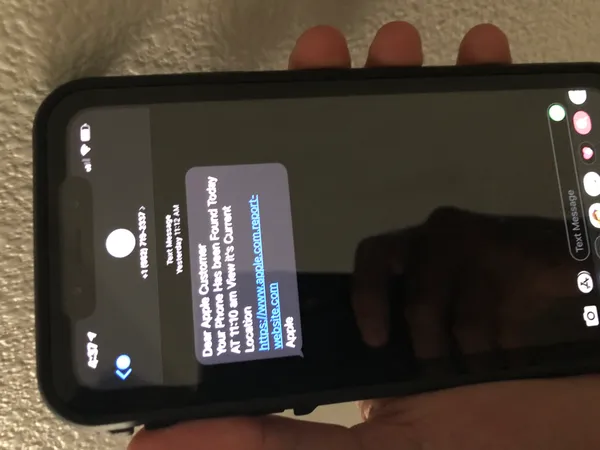
San Francisco officials are warning residents about fraudulent messages that claim a recipient has an unpaid traffic or parking violation and must pay immediately. The notices are being delivered through text messages and emails and typically include a link or QR-style prompt directing people to a payment page designed to capture money and personal information.
The scam messages often mimic the language and appearance of government communications, using urgent phrasing and threats of escalating penalties if payment is not made quickly. In many cases, the messages imply consequences such as added fees, registration holds, or impacts to driving privileges.
How legitimate San Francisco citation payments work
City transportation officials have emphasized that San Francisco does not collect citation payments through unsolicited text messages that include direct payment links. Parking and transit citations associated with San Francisco’s transportation system are handled through official city channels, and residents are urged to navigate to official websites independently rather than using links embedded in messages.
Similarly, California’s traffic-court guidance warns that courts do not request payment by text, phone call, or email. Official traffic-court processes rely on formal notice and established payment portals, not unexpected outreach asking for immediate payment.
Common tactics used in the phony notices
Urgency: “Final notice” language or short deadlines intended to pressure quick action.
Threat escalation: references to penalties, added “service fees,” or administrative action if payment is delayed.
Link-based collection: prompts to click a link to “resolve” the citation, often leading to lookalike pages.
Impersonation: sender names or formatting that resemble a city agency, court, or motor vehicle department.
What to do if you receive one
Officials advise residents not to click links, open attachments, or provide identifying or payment information in response to unexpected citation notices delivered by text or email. Instead, residents should verify any claimed violation by independently accessing official city or court payment and case-checking systems using trusted web addresses or existing account logins.
People who believe they may have interacted with a scam message are advised to take immediate steps to protect themselves, including contacting their financial institution if payment details were entered and changing passwords for any accounts that may have been compromised.
Verification should start with official channels entered manually, not with links embedded in a message.
Why officials say the warnings matter now
Local warnings in San Francisco align with a broader pattern seen across California and other parts of the U.S., where transportation and motor vehicle-related “smishing” and phishing campaigns have expanded beyond toll-payment schemes to include claims about parking and traffic citations. Officials say the consistent theme is impersonation combined with urgency, aimed at getting recipients to pay before they verify whether any real citation exists.