San Francisco Bay vessel traffic service operations face staffing and scheduling strains during federal government shutdown
Shore-based “air traffic control” for ships remains active, but capacity is under pressure
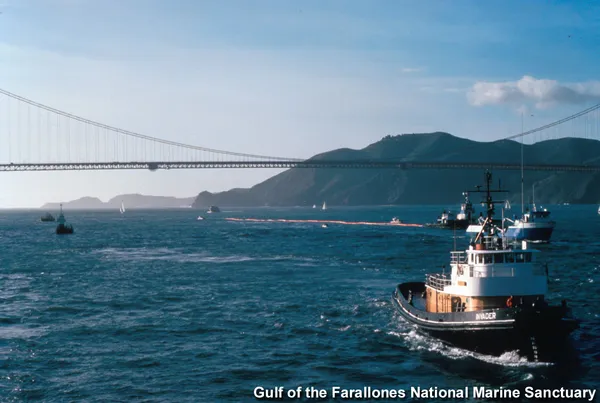
Commercial shipping on San Francisco Bay depends on a shore-based navigation system known as Vessel Traffic Service (VTS), a U.S. Coast Guard-managed operation that monitors vessel movements, maintains radio communications, and helps coordinate traffic in one of the nation’s most complex waterways. The VTS center serving San Francisco Bay is based on Yerba Buena Island, positioned to track ship movements through the Golden Gate, along the Bay Bridge corridor, and into major terminals across the region.
During a federal government shutdown, core maritime safety and security operations typically continue because they are tied to protecting life, property, and critical commerce. However, the shutdown can still ripple into day-to-day execution through staffing strain, delayed administrative support, and reduced availability for non-emergency or non-mandated work that supports the broader marine transportation system.
Why VTS matters to the Bay Area economy
San Francisco Bay is a shared operating environment for deep-draft cargo ships, tankers, passenger vessels, ferries, tug-and-barge operations, fishing boats, and recreational traffic. VTS is designed to reduce collision and grounding risks by improving situational awareness and coordinating communications—especially in restricted waters, heavy traffic, reduced visibility, or severe weather.
When VTS capacity is stressed, the impact is not typically a full stop of vessel movements. Instead, it can appear as longer coordination times, tighter operating windows, or greater reliance on vessel operators and pilots to sequence movements safely under standard navigation rules.
How a shutdown can affect operations even when “essential” services continue
The Coast Guard’s mission set continues through funding lapses, but shutdown conditions can introduce operational friction. Uniformed personnel may be required to work while pay is delayed, and support functions that help sustain readiness can be limited. In practice, that can affect how quickly the system absorbs disruptions such as weather delays, equipment outages, or multiple simultaneous vessel arrivals.
On the Bay, even modest slowdowns in coordination can cascade because arrivals and departures are timed around tides, bridge clearances, terminal availability, escort requirements for certain cargoes, and pilot boarding schedules. Any additional uncertainty can translate into schedule changes for vessels and shoreside operations.
What mariners and operators watch for during disrupted federal funding
- Potential delays in routine administrative actions that support marine commerce, separate from real-time traffic management
- Longer response times for non-urgent coordination requests during peak traffic periods
- Greater sensitivity to weather events that require additional traffic sequencing
- Compounding impacts if other transportation sectors face shutdown-related staffing strain at the same time
VTS is designed to keep traffic moving safely; shutdown-related strain is more likely to show up as reduced flexibility than a complete halt.
What happens next
Maritime operators generally plan for continuity of essential navigation services while preparing contingencies for congestion and scheduling volatility. For Bay Area ports and shipping-dependent businesses, the central question is not whether VTS will operate, but whether shutdown conditions reduce the system’s margin to manage disruptions efficiently until federal funding is restored.
As the shutdown persists, the operational risk shifts toward cumulative fatigue and reduced administrative throughput—factors that can affect predictability across the marine transportation network even when front-line safety functions remain in place.