San Francisco Gasoline Prices Reach $6 Per Gallon Again, Reflecting Global Supply Shocks And Local Constraints
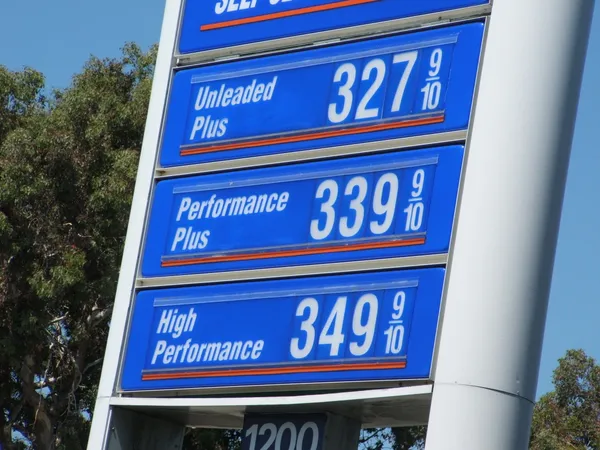
San Francisco returns to a price level not seen since the 2022 peak
San Francisco motorists are again encountering regular gasoline priced at or above $6 per gallon, marking the city’s first return to that threshold since the 2022 surge that pushed California to record highs. The move places San Francisco among the most expensive fuel markets in the United States at a moment when national prices have also been climbing, though from a much lower base.
Recent metro averages around $6 in San Francisco represent a steep rise from roughly the high-$4 range recorded about a month earlier, indicating a rapid shift in retail pricing rather than a slow, seasonal climb.
Why San Francisco is especially exposed
Fuel costs in the Bay Area tend to react sharply when supply tightens because Northern California depends on a limited set of supply routes and regional refining capacity. When wholesale supply is disrupted, the retail market often reflects that quickly, widening the gap between San Francisco and many other U.S. cities.
California’s gasoline market has additional structural features that can amplify price swings:
- Specialized fuel requirements: The state’s cleaner-burning gasoline formulations can reduce the flexibility to source replacement supply on short notice when disruptions occur.
- Geographic and infrastructure constraints: Northern California supply relies on in-state refining and shipments that can be strained when inventories tighten.
- High baseline costs: Taxes, fees, and compliance costs are embedded in pump prices, raising the starting point from which any market-driven increase compounds.
Global dynamics and refinery-related pressures
The latest run-up is unfolding alongside elevated geopolitical risk affecting crude oil markets and shipping routes, factors that influence the cost of crude and refined products. At the same time, refinery incidents and maintenance dynamics remain a recurring vulnerability for California, where unplanned outages or reduced throughput can quickly tighten supply and lift wholesale prices.
State energy regulators have previously warned that price spikes can emerge when refinery disruptions coincide with periods of higher demand or limited inventory buffers. Those warnings have been tied to both consumer advisories and policy discussions aimed at improving market transparency and the state’s response to sudden price movements.
What drivers are seeing at the pump
Retail prices can vary substantially by neighborhood and station, with some locations in San Francisco approaching $7 per gallon even as the broader metro average hovers closer to $6. Diesel prices, which often track different supply and demand conditions, have also remained elevated in California markets during this period.
For consumers, the immediate effect is straightforward: each 15-gallon fill-up at $6 per gallon totals $90 before any additional purchases.
What to watch next
Key indicators for whether prices stabilize or rise further include wholesale price movements, the duration of any refinery constraints, inventory levels, and broader crude-oil market conditions. For San Francisco, the combination of global volatility and local supply sensitivity means small disruptions can produce outsized changes at the pump—especially when the market is already tight.