San Francisco Merchants Prepare Lawsuit Against PG&E After December 20 Substation Fire Blackout
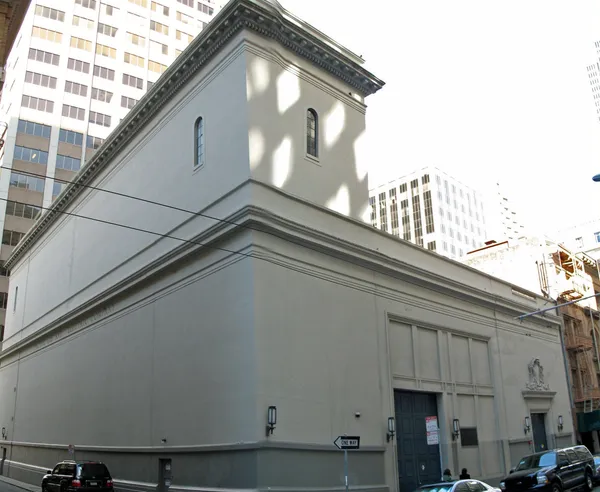
Merchants move toward litigation after citywide disruption
San Francisco merchants are organizing a lawsuit against Pacific Gas and Electric Co. following the widespread power outage that began on December 20, 2025, after a fire damaged a PG&E substation near 8th and Mission streets. At the peak of the outage, about 130,000 homes and businesses—roughly one-third of PG&E’s San Francisco customers—lost electricity, disrupting holiday commerce, transit operations and basic city services.
The outage persisted in some neighborhoods for days. PG&E later reported that service had been fully restored by early December 23, while acknowledging the extent of substation damage and stating the root cause remained under investigation.
Economic losses, spoiled inventory and forced closures
For retailers and restaurants, the blackout hit during a high-revenue weekend immediately before Christmas. Many businesses were unable to operate without lighting, refrigeration, point-of-sale systems or internet connectivity. The disruption also affected events and foot traffic that typically bolster sales during the holiday period.
In the weeks following the initial outage, merchants in the Sunset and Inner Sunset described ongoing financial strain and sought assistance navigating PG&E’s claims process, including access to bilingual support. Local officials joined outreach efforts in commercial corridors to connect business owners with PG&E representatives and claims documentation.
PG&E relief measures: automatic credits and separate claims
PG&E announced automatic bill credits for customers affected by the December 20 outage. Residential customers were slated to receive a $200 credit, while business customers were to receive an approximately $2,500 credit, applied automatically to bills as a “Customer Satisfaction Adjustment.” The utility also indicated that customers could pursue a separate claims process for additional losses, particularly for extended outages.
Some business owners and residents have argued the automatic credits do not cover the full cost of lost revenue, inventory spoilage and operational disruption, and have called for larger standardized amounts. That gap between automatic relief and claimed losses is likely to be central to any litigation.
Continuing instability and planned follow-up outages
After the substation fire, PG&E relied on temporary power systems while repairs continued. In January 2026, PG&E scheduled planned overnight outages in parts of San Francisco—first affecting roughly 3,600 customers in the Civic Center area, followed by a second outage expected to affect around 14,000 customers in the Richmond and Sunset districts—as part of the transition back to regular operations.
Separately, a transformer fire in late December triggered an additional unplanned outage affecting more than 11,000 customers in the Richmond District, Golden Gate Park and the Presidio, adding to concerns among residents and merchants about reliability during an already volatile period.
What legal claims could focus on
- Business interruption and property-related losses tied to the December 20 outage
- Whether PG&E met applicable reliability, maintenance and response obligations
- The adequacy and administration of PG&E’s compensation and claims processes
- Documentation standards for proving losses such as spoilage, canceled orders and lost sales
PG&E has stated it is conducting a review of the outage while offering automatic credits and a separate pathway for claims beyond those credits.
As merchants prepare legal action, the dispute is expected to test how utilities quantify economic harm from major urban outages—and how quickly standardized relief can translate into recovery for small businesses operating on thin margins.