San Francisco office availability drops as AI firms expand leases and sublease space tightens downtown
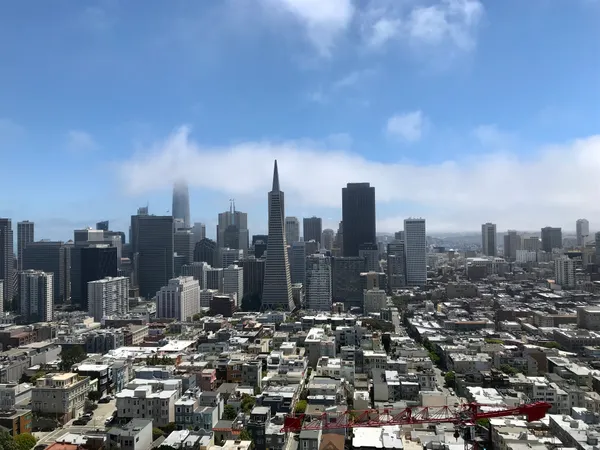
Office supply tightens after years of elevated vacancy
San Francisco’s office market entered 2026 with a measurable reduction in space being marketed for lease, even as overall vacancy remains historically high. Recent market snapshots from major brokerage research groups show vacancy still around the low-to-mid 30% range citywide, but with availability declining and net absorption turning positive across multiple quarters.
The shift is being driven by two simultaneous forces: expanding demand from artificial intelligence-focused companies and a shrinking pool of sublease space, a common pressure-release valve during downturns. Together, these trends are narrowing the selection of move-in-ready offices in several neighborhoods, particularly among higher-quality buildings.
AI leasing emerges as a central demand driver
Leasing activity has increasingly clustered around AI and AI-adjacent firms, which have taken meaningful blocks of space and contributed to improving absorption. Research updates published in 2025 and early 2026 show that office leasing volumes strengthened compared with the post-pandemic trough, with AI companies accounting for a significant share of new commitments and requirements.
This demand has been most visible in areas that offer modern floorplates, strong transit access, and proximity to the city’s growing innovation corridors, including parts of the Financial District, Mission Bay, and the North Waterfront/Jackson Square area. The effect has been to reduce the amount of top-tier space sitting idle, even while older, less competitive buildings continue to struggle with prolonged vacancies.
Sublease availability falls, limiting short-term options
A key factor behind the sharper drop in marketed availability is the decline in sublease inventory. As companies that previously shed space have already made major cuts, and as some tenants stabilize their footprints, fewer large sublease blocks are hitting the market. Brokerage trackers in 2025 reported sublease availability falling quarter over quarter, reversing a trend that had defined the downtown market since 2020.
With fewer sublease offerings, tenants looking for discounted, flexible terms face a smaller menu of options, while landlords in well-located Class A properties gain modest leverage—though concessions and tenant-friendly deal structures remain common.
What the numbers suggest—and what they do not
- Vacancy remains elevated by historical standards, indicating the market has not returned to pre-pandemic balance.
- Positive net absorption and reduced availability point to a tightening within specific segments, especially newer buildings and smaller suites.
- Demand growth does not automatically translate into a broad-based recovery for older assets, many of which may require repositioning, conversion, or major reinvestment.
Current market conditions show a split recovery: strengthening demand from AI firms alongside persistent challenges for outdated inventory.
Outlook for 2026: selective tightening amid structural constraints
Looking ahead, the trajectory of San Francisco’s office availability will likely hinge on how quickly AI firms scale headcount and space needs, whether other tech and professional-services tenants resume expansion, and how much obsolete inventory is removed from the leasing pool through conversions or redevelopment. For now, the market’s most immediate change is not a sudden return to full buildings—but a noticeable tightening of the most in-demand space as AI-driven leasing absorbs a growing share of what is available.