San Francisco school leaders reassess César Chávez namesakes after new sexual abuse allegations emerge nationwide
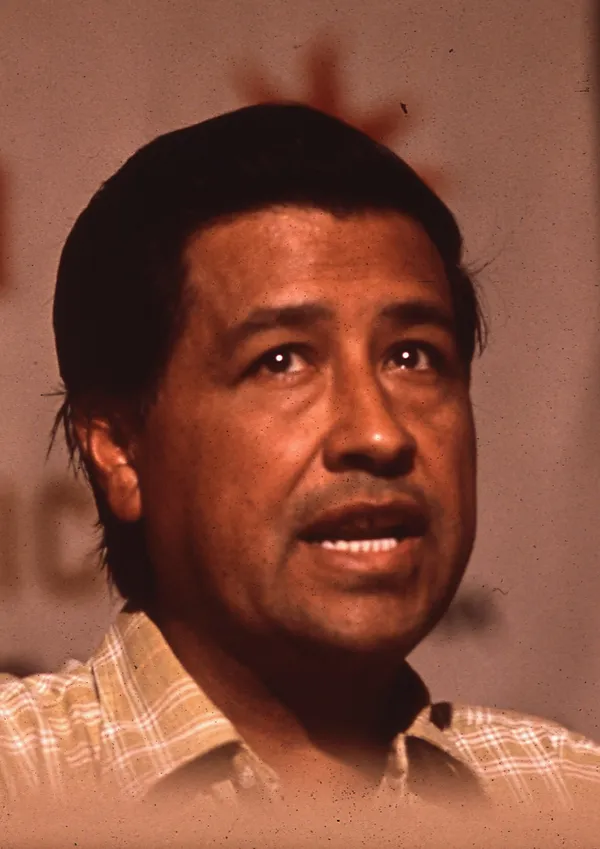
Allegations trigger scrutiny of schools and public honors bearing Chávez’s name
San Francisco education leaders are confronting renewed questions about how schools should handle namesakes after new, widely reported allegations of sexual abuse involving César Chávez, the late labor leader long honored in public life and in school names across the country.
The allegations surfaced in March 2026 through detailed reporting that included statements from Dolores Huerta, a co-founder of the United Farm Workers. Huerta said she experienced sexual abuse involving Chávez decades ago and described remaining silent for years out of concern for the farmworker movement and its political vulnerability.
The revelations have already prompted concrete actions outside California. Cities in Arizona announced renaming or rebranding of upcoming César Chávez events, while organizations connected to commemorations signaled they were reassessing planned celebrations. The speed of those moves has intensified attention in places where Chávez’s name is attached not only to holidays and civic spaces, but also to public institutions serving children.
Local context: a namesake embedded in the city’s education landscape
In San Francisco, Chávez’s name has been part of the public school system for decades, including César Chávez Elementary School on Shotwell Street in the Mission District. The school’s identity is interwoven with the city’s history of recognizing Latino civil rights leaders in public space and instruction, and the name is also echoed in street and place names across San Francisco.
School naming debates are not new locally. Past disputes over names, curriculum, and the historical record have shown how quickly symbolic decisions can become governance issues, drawing in families, staff and elected officials. The current moment adds a distinct complexity: the subject is not a contested political position, but allegations of sexual abuse that raise questions about the appropriateness of honorific naming in settings centered on child safety.
What districts are required to do when sexual misconduct is alleged
Separate from the historical allegations about Chávez, school districts are governed by federal and state rules that require defined responses to sexual harassment and sexual abuse allegations involving students and staff. In San Francisco Unified, policies emphasize reporting pathways, supportive measures, and formal investigative procedures, including mandatory reporting duties when abuse of a minor is suspected.
While the Chávez allegations do not, by themselves, involve current SFUSD employees or students, they are shaping conversations about the messages conveyed by institutional naming, particularly in elementary settings. Leaders must also consider the impact on student well-being, staff communications with families, and whether additional instructional context is needed when a namesake becomes the subject of serious misconduct claims.
Key questions now facing school leaders
- Whether existing commemorations and school naming decisions require review under district policies governing inclusive and safe learning environments.
- How to communicate with families about a namesake while keeping attention on student support systems and reporting protections.
- What standards should apply when allegations involve prominent historical figures without a prior public record of comparable claims.
For San Francisco schools, the immediate institutional challenge is balancing historical recognition with the duty to maintain environments that clearly prioritize student safety and dignity.
No official local decision regarding renaming had been publicly confirmed at the time of publication. Any next steps would likely involve community consultation and formal board processes, alongside guidance for schools on age-appropriate discussion and student support.