San Francisco shifts Point-in-Time homeless count to morning hours, raising transparency and accuracy questions
A required federal snapshot, with local consequences
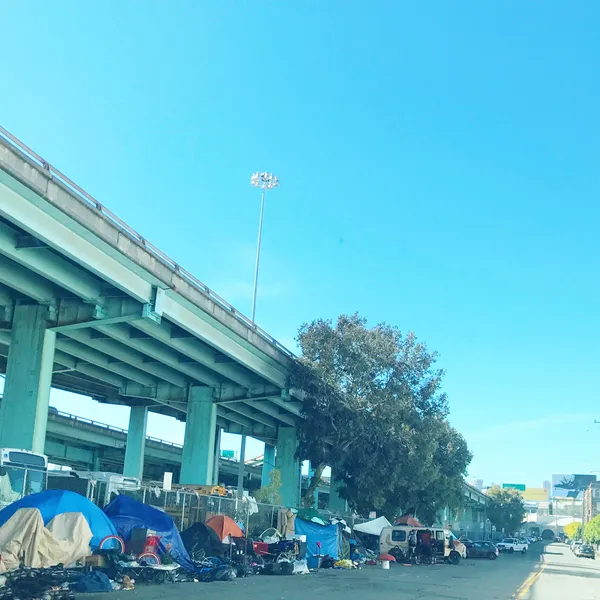
San Francisco conducted its 2026 Point-in-Time (PIT) count on January 29, changing core elements of how it estimates the number of people experiencing homelessness. The PIT count is a federally required, single-night snapshot used nationwide and is tied to eligibility for certain homelessness-related funding. Locally, the results also inform planning decisions such as shelter capacity, outreach deployment, and assessments of progress over time.
What changed in the 2026 count
For the first time in more than two decades, the city shifted the unsheltered count from an overnight operation to an early-morning window. This year’s canvassing took place roughly between 5 a.m. and 10 a.m. (some materials described the end time as 10:30 a.m.), rather than the late-evening hours used in prior San Francisco counts.
City organizers also changed who conducts the street count. Instead of relying on community volunteers, the 2026 effort used trained city employees and outreach workers. Another operational change was an increased emphasis on direct engagement: canvassers were tasked with speaking with people to confirm housing status, rather than relying primarily on visual assessment.
- Timing: shifted from late-night to early morning canvassing
- Staffing: trained city staff and outreach workers, not community volunteers
- Approach: greater use of brief interviews to confirm status
Why the methodology shift matters for trend lines
The city’s homelessness department and people involved in overseeing the count have described the changes as intended to improve accuracy and align practices with recognized approaches used by other jurisdictions. At the same time, the methodological break is expected to complicate comparisons with prior San Francisco PIT results because timing and data-collection procedures can meaningfully affect whom canvassers encounter and how individuals are classified.
That comparability issue is likely to be closely watched because San Francisco’s last full PIT report, released in summer 2024 from a January 2024 count, put the city’s total number of people experiencing homelessness at 8,323. City performance reporting also described that figure as a 7.3% increase from 2022. Separately, city homelessness services data has shown that far more people cycle through the system over a year than can be captured in a one-night count.
Concerns raised about transparency and possible undercounting
The changes have drawn mixed reactions among advocates and service providers. Some count advisers have argued that moving to morning hours could improve visibility in certain locations and reduce safety risks for canvassers. Others have warned that morning hours may miss people who leave street locations early to access services, move to avoid enforcement activity, or otherwise become less visible after daybreak.
The debate over timing and staffing has underscored a central tension of the PIT framework: it produces a standardized snapshot, but small operational choices can influence the final number.
The decision to exclude community volunteers has also been criticized by some advocates as reducing public transparency, while city officials have emphasized training and consistency as key reasons for using professionalized teams.
What happens next
San Francisco typically releases its PIT results months after the count, with final reporting expected in summer 2026. When the data is published, a central question will be how the city communicates the break in methodology, and how policymakers interpret changes in the headline number alongside other indicators such as shelter use, outreach contacts, and annual service utilization.