San Francisco Symphony adds a new musician among the orchestra’s youngest hires in recent decades
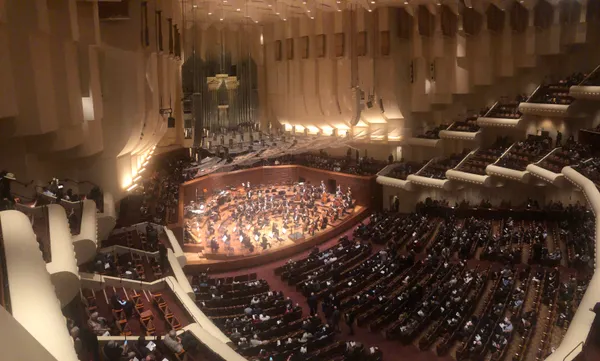
A new appointment highlights the orchestra’s pipeline from elite training to full-time professional work
The San Francisco Symphony has added a musician who ranks among the youngest hires in the ensemble’s modern era, underscoring how quickly exceptional performers can move from advanced study into one of the country’s most competitive orchestral rosters.
Major U.S. orchestras typically fill vacancies through multi-round auditions that can draw large applicant pools and extend over months. When a very young player wins a tenure-track seat, the milestone is widely read within the classical field as an indicator of both individual readiness and the effectiveness of the training systems that feed the profession.
How orchestras hire: auditions, probation, and the pressure of a full season
San Francisco Symphony positions are generally awarded through screened auditions that can include preliminary rounds, semifinals, and a final round with the full orchestra. Successful candidates then enter a probationary period before a position becomes permanent, a structure designed to evaluate consistency across rehearsals, performances, and the demands of repertoire that can shift weekly.
The hiring of a very young musician adds another layer of scrutiny. Orchestral sections must be confident not only in technical command and musical judgment, but also in stamina, professionalism, and the ability to integrate into a long-established ensemble culture.
A Bay Area ecosystem that accelerates young talent
The appointment also draws attention to the Bay Area’s interconnected music ecosystem, where youth orchestras, pre-college programs, conservatory study, festivals, and masterclasses create a tightly linked set of opportunities. Local youth ensembles provide early experience with the orchestral canon, while conservatory environments intensify training through weekly coaching, chamber music, and performance requirements that mirror professional expectations.
The San Francisco Symphony Youth Orchestra, in particular, has long functioned as a visible pathway into professional music-making, supported by coaching and sectional work led by Symphony musicians. In practice, this structure gives advanced students exposure to the stylistic and ensemble standards they will later face in auditions.
Why “youngest hires” matter—and what they do not automatically mean
Within orchestras, age milestones can be notable without being determinative. A young appointment does not, by itself, predict a long career in a single ensemble, nor does it imply an institutional shift in hiring priorities. Orchestras ultimately hire to meet artistic needs: blend, intonation, rhythm, leadership within a section, and consistency across a demanding season.
In orchestral hiring, the central question is not how old a musician is, but whether the player meets the ensemble’s sound, style, and reliability standards night after night.
What comes next for the new musician and the orchestra
For the newly hired player, the transition from student or early-career work into a full-time orchestra seat typically means immediate immersion: subscription programs, guest conductors, high-profile soloists, and community or chamber commitments that extend beyond the main stage.
For the Symphony, the hire arrives as orchestras nationwide continue to balance artistic planning, audience development, and long-term roster building. Adding an exceptionally young musician is one visible outcome of that process—an appointment that reflects both an individual breakthrough and the competitive reality of how elite orchestras replenish their ranks.
- Orchestral vacancies are usually filled through multi-round auditions and a probationary period.
- Very young appointments are rare and typically signal readiness under professional performance conditions.
- Bay Area youth and pre-professional institutions provide sustained pathways into top-tier ensembles.