San Francisco teachers authorize a strike by 97.6%; SFUSD talks enter fact-finding with February timeline
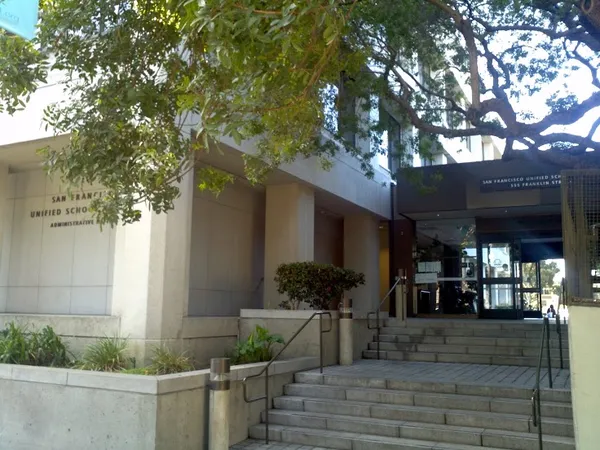
Strike authorization sets stage for possible early-February walkout in SFUSD
San Francisco public school educators have voted overwhelmingly to authorize their union to call a strike, marking a significant escalation in contract talks between the United Educators of San Francisco (UESF) and the San Francisco Unified School District (SFUSD). The union reported that 97.6% of participating members voted “yes,” with 5,202 ballots counted.
The vote does not automatically trigger an immediate walkout. Under California’s public-sector bargaining process, a strike may occur only after the parties complete a formal fact-finding stage following an impasse declaration. SFUSD and UESF have already entered that phase, and a neutral fact-finding report is expected on February 4, 2026. Once the report is issued, the union may legally strike if it chooses.
How the dispute reached impasse
SFUSD and UESF have been bargaining since March 2025. District officials have described progress on multiple contract articles but say major issues remain unresolved. The parties jointly declared an impasse and sought neutral assistance, moving negotiations into the state-recognized fact-finding process. A fact-finding session took place on January 23, 2026, during which a neutral chairperson received evidence and heard arguments from both sides.
UESF represents a broad group of school-based employees, including teachers as well as substitutes, paraeducators, counselors, social workers, and nurses. The scope of represented roles means any strike could affect a wide range of day-to-day services on campuses beyond classroom instruction.
Key issues: compensation, staffing supports, and fiscal constraints
While the vote reflects labor solidarity, the underlying dispute centers on competing claims about what SFUSD can fund and what educators say schools need. Educator priorities in the bargaining cycle have included pay and benefits, as well as staffing and working-condition concerns—particularly in areas such as special education services and support roles that directly affect student access to instruction and mandated supports.
SFUSD, meanwhile, has emphasized its budget outlook and the tradeoffs involved in any settlement. District leadership has pointed to recent spending reductions and described an additional deficit ahead, arguing that compensation increases beyond current proposals could drive cuts at school sites. SFUSD has also highlighted raises implemented in recent years, including compensation increases that were negotiated in prior agreements.
What happens next, and what families should watch for
February 4, 2026: neutral fact-finding report expected.
After the report: the union may accept a path forward or proceed toward a strike, potentially with only days of lead time.
Operational planning: SFUSD has said it intends to meet legal instructional-day requirements and that schools remain open unless families are notified otherwise.
A walkout—if called—would be the first teacher strike in San Francisco since the late 1970s, setting up a high-stakes test of bargaining leverage amid ongoing enrollment and budget pressures.
For families, the most immediate inflection point is the February 4 report and any subsequent announcements about whether bargaining resumes under new terms or moves into strike action.