San Francisco Waterfront Restaurants Prepare for Increased Nighttime Demand as Bay Bridge Bay Lights Return
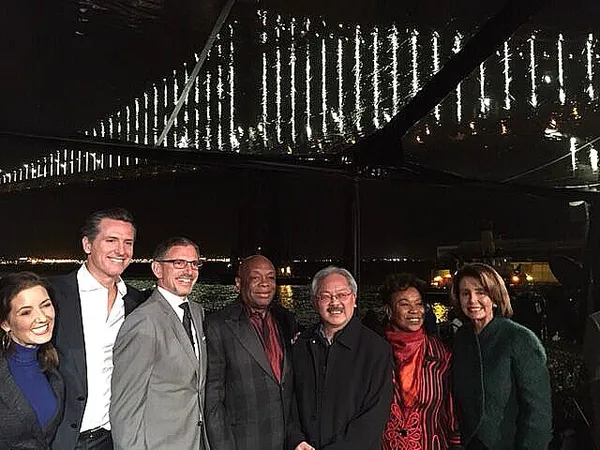
A signature nighttime landmark is scheduled to switch back on
San Francisco’s Embarcadero and nearby waterfront dining corridor are preparing for a renewed wave of evening foot traffic as the Bay Bridge’s large-scale light artwork is set to return with a public “grand lighting” on March 20, 2026. The relaunch follows the shutdown of the prior installation in 2023 after years of exposure to the bay’s marine conditions.
The returning installation is a rebuilt version commonly referred to as “Bay Lights 360.” Project materials describe a complete reconstruction rather than a repair, with an estimated 48,000 to 50,000 LEDs installed across the western span’s northern cable plane. The new system is designed to be more durable than the earlier display and to expand visibility compared with the original configuration.
Why restaurants are paying attention
For waterfront restaurants, the Bay Bridge display has historically functioned as a predictable nighttime draw, extending visitor activity beyond daytime tourism and boosting demand for dinner reservations, post-show drinks, and walk-in traffic along the Embarcadero. Operators closest to direct sightlines—particularly those between the Ferry Building and the base of the bridge—stand to benefit most from guests seeking unobstructed views.
While the bridge lights are not a guarantee of broader economic recovery, they create a time-bound, recurring reason for locals and visitors to linger on the shoreline after dark. That dynamic can be especially meaningful for businesses that depend on peak evening service and that compete with dining districts farther inland.
A new build aimed at long-term operation
The earlier Bay Bridge light artwork became one of the region’s best-known public nighttime spectacles after its debut in 2013, using programmable LEDs to create shifting patterns across the suspension structure. The installation later faced reliability challenges associated with long-term exposure to wind, salt, moisture, and maintenance constraints on the bridge environment.
Planning documents and public updates tied to the 2026 return emphasize a sturdier approach, including more robust equipment and a configuration intended to remain operational for years. The project’s construction phase has included testing periods before the scheduled March 20 launch.
What diners and visitors should expect
Timing: A formal relighting event is scheduled for Friday, March 20, 2026.
Visibility: The new layout is intended to broaden viewing angles compared with the earlier system, a change that could affect where crowds gather on the waterfront.
Operations: Restaurants with direct views may see higher demand for window tables and later reservation times, while nearby bars and casual venues could see increased post-dinner traffic.
The return of a nightly landmark does not resolve structural challenges facing waterfront businesses, but it restores a consistent nighttime attraction that can influence where people choose to dine and how long they stay.
In the weeks surrounding the relighting, the combination of pent-up interest and the event’s fixed date is likely to concentrate activity along the shoreline, particularly near established viewing corridors. For restaurants, the practical question will be how effectively the renewed draw converts into steady, repeat evening demand once the initial surge passes.