San Francisco’s Point-in-Time Homeless Count: What It Measures, Misses, and Why It Still Matters
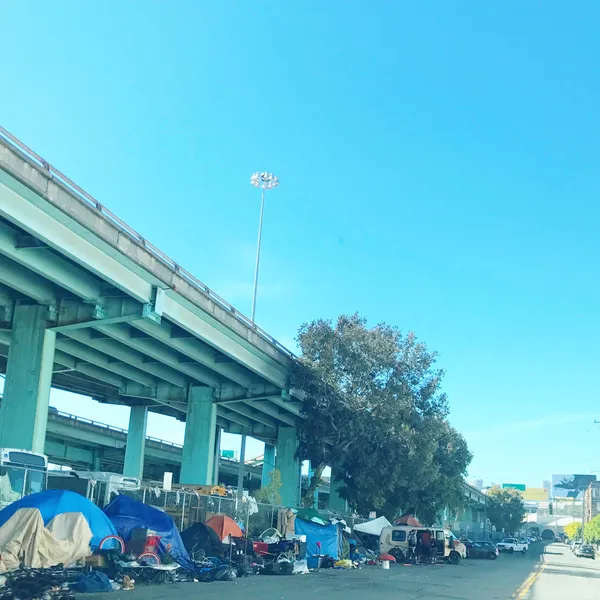
A single-night “snapshot” with high stakes
Each winter, San Francisco conducts a federally required Point-in-Time (PIT) count designed to estimate how many people are experiencing homelessness on one specific night. The approach is intentionally narrow: it measures homelessness at a moment in time rather than the full number of residents who cycle in and out of homelessness across a year. The count matters because it is part of the reporting framework tied to federal homelessness funding and shapes how cities describe trends over time.
What San Francisco’s latest PIT count found
San Francisco’s most recent full PIT count was conducted on January 30, 2024, covering both unsheltered and sheltered homelessness. The city reported 8,323 people experiencing homelessness that night, up from 7,754 in 2022. Within that total, 4,354 people were counted unsheltered and 3,969 were counted in shelters, reflecting a larger sheltered population than in earlier years.
- Total homelessness: 8,323 people (January 30, 2024)
- Unsheltered: 4,354 people
- Sheltered: 3,969 people
How the count is performed—and why accuracy is difficult
San Francisco’s 2024 methodology combined multiple operations intended to reduce blind spots. Teams conducted a citywide nighttime street count between 8 p.m. and midnight, with additional targeted efforts to count unaccompanied youth and young adults, and an early-morning operation to identify people sleeping in vehicles. A shelter count was compiled from administrative records for beds in emergency shelters and transitional housing, and a follow-up survey of 956 people was conducted to refine estimates and better understand demographics and circumstances.
The PIT count is a snapshot, not a census of everyone who experiences homelessness in San Francisco over time.
Even with these steps, limitations are structural. People sleeping in vehicles, abandoned buildings, or other hidden locations can be missed because visibility is low. At the same time, crowded nighttime environments can make it difficult to determine who is actually unsheltered, increasing the risk of overcounting in some areas and undercounting in others. The city’s own methodology notes that large nighttime congregations can complicate visual identification and raise the possibility of misclassification.
Why critics call it “pointless,” and what it can still do
Criticism often centers on the gap between what residents see day-to-day and what a one-night measurement can capture. A PIT count cannot show how many people become homeless over a year, how long individuals remain homeless, or whether displacement shifts encampments across neighborhoods between count periods.
Yet the count can still serve practical purposes when interpreted carefully: it provides a standardized, repeatable measurement used nationwide; it distinguishes between sheltered and unsheltered homelessness; and it supplies a consistent baseline for trend comparisons, especially when paired with administrative shelter data and other local tracking systems.
What to watch in future releases
The most consequential questions are less about whether the PIT count is flawless and more about how decision-makers use it alongside other indicators—such as annual shelter utilization, inflow and outflow from homelessness systems, and program outcomes—to assess whether homelessness is becoming rarer, shorter, and less likely to recur.