San Francisco’s Roxie Theater Closes for One Day During National Anti-ICE Strike, Refunds Tickets
A one-day shutdown in the Mission District
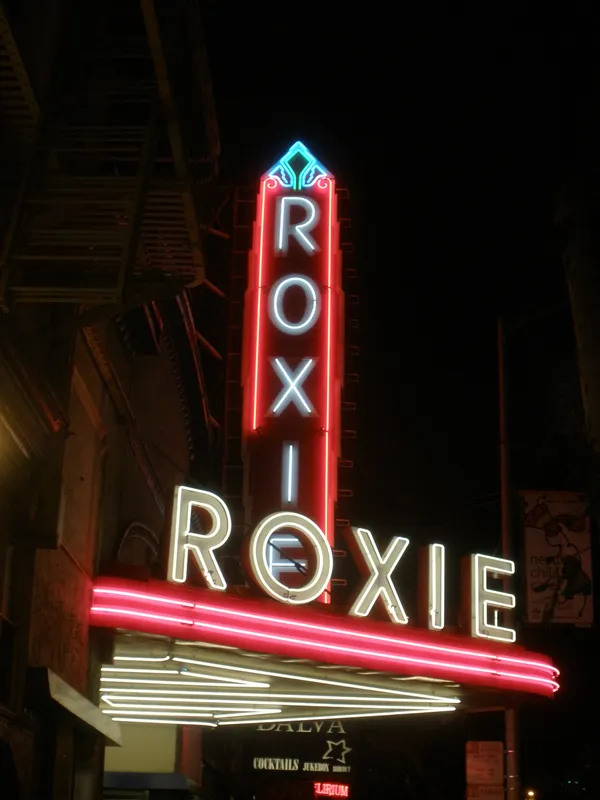
The Roxie Theater, an independent movie house in San Francisco’s Mission District, closed operations on Friday, January 30, 2026, and issued refunds for all tickets purchased for that day’s screenings. The theater said it planned to reopen on Saturday, January 31.
The decision came as part of a nationwide general strike that called for people to refrain from work, school, and shopping for a single day. Organizers framed the action as a protest of U.S. Immigration and Customs Enforcement (ICE) practices and a response to recent incidents involving federal immigration enforcement that have drawn national attention.
How the strike is showing up across San Francisco
The Roxie’s closure is one element of a broader pattern of local participation in the January 30 action. In San Francisco, a growing list of small businesses and cultural institutions announced that they would close for the day, while others stayed open but altered operations—such as pausing certain services—or committed revenue to support-related efforts.
Within the city, the day’s organizing also included plans for public demonstrations, including a gathering at Dolores Park beginning early Friday afternoon. The overall strike messaging emphasized collective economic disruption—aimed at pausing routine commerce and signaling opposition to immigration enforcement actions and related federal funding decisions.
Businesses weigh economic pressure against financial strain
For restaurants, bars, and other small operations, closing on a Friday carries direct financial consequences, particularly during a month that many operators describe as slower and more unpredictable. Some businesses chose to close entirely, while others opted to stay open to maintain staff hours and stability, pairing normal service with specific community-support initiatives.
This range of responses highlights a central tension that accompanies one-day economic actions: participating may increase visibility and coordination, but can also impose immediate costs on payroll-dependent workers and businesses operating with tight margins.
What the Roxie’s move signals in the cultural sector
Independent theaters often operate with limited flexibility compared with larger entertainment chains, making even brief shutdowns operationally significant. By canceling scheduled screenings and refunding tickets, the Roxie aligned its day-to-day business decisions with a political action taking place beyond the film world.
The one-day closure placed a cultural venue alongside restaurants, bookstores, and neighborhood retailers using temporary shutdowns as a form of coordinated protest.
What’s next
The Roxie is expected to resume normal operations on Saturday, January 31, 2026.
Organizers and participating businesses have indicated the January 30 strike is part of a wider push for sustained public attention to immigration enforcement and federal policy decisions.