San Jose Mayor Matt Mahan enters California governor race, emphasizing homelessness, housing permits and public safety outcomes
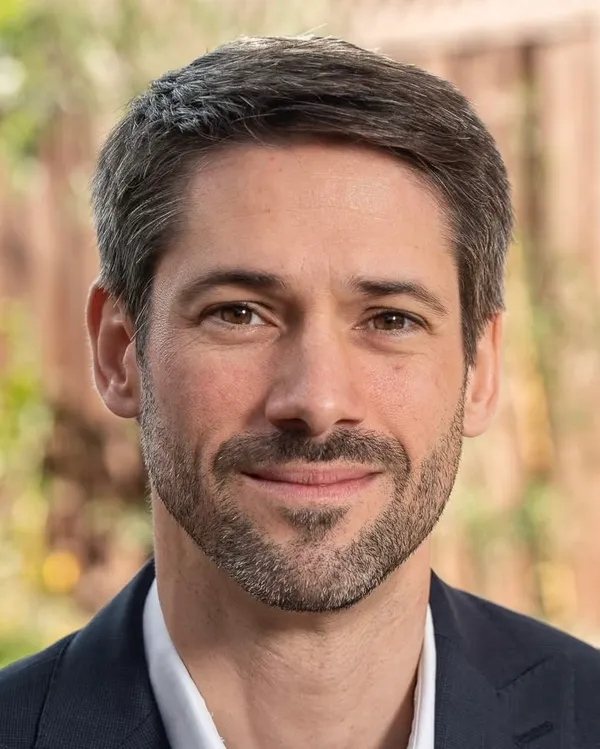
A Silicon Valley mayor steps onto a statewide stage
San Jose Mayor Matt Mahan announced Thursday, January 29, 2026, that he is running for governor of California, joining a fast-forming field competing to succeed Gov. Gavin Newsom, who is barred from seeking another term. California’s primary is scheduled for June 2, 2026, with the general election set for November 3, 2026.
Mahan, a Democrat first elected mayor in 2022, is positioning his campaign around measurable local outcomes and “back-to-basics” governance, arguing that the state can replicate what he describes as improvements in San Jose on homelessness, housing production, and crime.
What Mahan is emphasizing from San Jose
In launching his bid, Mahan highlighted changes pursued during his tenure that he says reduced unsheltered homelessness, accelerated housing development by lowering or streamlining certain local fees and processes, and improved public-safety performance. Recent crime reporting tied to federal data has shown declines in San Jose’s reported crime in 2025 compared with 2024, including drops in violent and property crime categories.
Mahan has also embraced the framing of San Jose as a leading large city on safety metrics; separate national city-comparison rankings have placed San Jose at or near the top among major U.S. cities based on composite measures that include crime and other risk indicators.
- Homelessness: campaign messaging centers on moving people indoors faster and expanding interim housing approaches while pushing for clearer accountability in outcomes.
- Housing: he points to efforts to reduce barriers to construction and accelerate homebuilding.
- Public safety: he cites falling crime totals and improved case-clearance results, including in serious violent crimes.
A record that includes backing tougher penalties for repeat crimes
Mahan supported Proposition 36 in 2024, the ballot measure approved by voters that allows felony charges and increased sentences for certain theft and drug crimes under specified conditions, including repeat offenses. The measure also created pathways that can require treatment for some felony drug possession cases, with the possibility of dismissal upon successful completion, while carrying fiscal impacts tied to higher criminal-justice system costs.
The measure’s structure pairs tougher sentencing options for repeat theft and certain drug offenses with a treatment-linked disposition option in defined cases.
The broader field and the top-two dynamics
Mahan enters a contest without a single dominant Democratic front-runner. Notable Democrats already in the race include Xavier Becerra, Katie Porter, and Eric Swalwell. On the Republican side, candidates include Riverside County Sheriff Chad Bianco and commentator Steve Hilton.
California’s nonpartisan “top-two” primary system places all candidates on the same ballot; the two highest vote-getters advance to the general election regardless of party. With multiple Democrats competing, that structure can reward consolidated blocs and punish fragmented coalitions, making turnout, name recognition, fundraising, and regional strength critical in the months leading up to June.
What happens next
Mahan’s statewide bid now shifts scrutiny to his governing record in California’s third-largest city and to whether his municipal agenda can scale to state government. The campaign will unfold against a defined calendar: the primary on June 2, 2026, and the general election on November 3, 2026.