Super Bowl LX Drives Surge of Private Jet Arrivals and Departures at Bay Area Airports
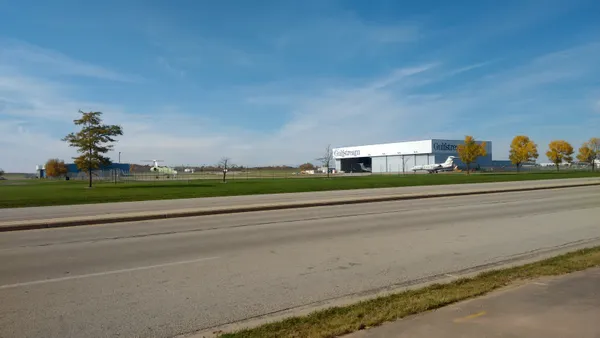
Private aviation traffic spikes around the Super Bowl in Santa Clara
Super Bowl LX, held on February 8, 2026 at Levi’s Stadium in Santa Clara, coincided with an unusually heavy wave of private and business aviation traffic across the Bay Area. Flight-tracking tallies published during Super Bowl week showed hundreds of business jets arriving at regional airports in the days leading up to the game, with a concentrated burst of departures shortly after the final whistle.
One set of flight-tracking figures counted 914 business jet arrivals in the Bay Area between Wednesday and Saturday ahead of the game. Separate tracking summaries placed the cumulative arrivals from February 4 through the day of the Super Bowl in the “several hundred” range by Saturday afternoon, reflecting activity spread across both major commercial airports and smaller general-aviation fields.
Where jets arrived and why smaller airports mattered
The surge was distributed across a network of airports that can accommodate corporate and charter operations, including San Francisco International, Oakland, and San José Mineta, as well as smaller fields that typically see lighter volumes. Tracking summaries cited notable activity at Oakland and San Francisco International among the region’s busiest destinations for business aviation during the week, with additional arrivals logged at outlying airports such as Monterey Peninsula and other satellite facilities.
This dispersion is consistent with how major events are managed in practice: large commercial airports continue routine airline operations while general aviation traffic is pushed across multiple fields with available ramp space, ground handling capacity, and access to onward transportation.
- Major hubs used by private operators: San Francisco International (SFO), Oakland (OAK), San José Mineta (SJC)
- Reliever and executive airports that can absorb overflow: San Carlos (SQL), Palo Alto (PAO), Hayward (HWD), Livermore (LVK), Napa (APC), Buchanan Field (CCR), Reid-Hillview (RHV), and others
FAA procedures: reservations, extended tower hours, and temporary restrictions
In the days before the game, the Federal Aviation Administration published a Super Bowl LX safety plan that highlighted special air-traffic procedures, advised pilots to check active notices, and described a reservation program administered by local fixed-base operators to manage demand for parking and ground services. The FAA also listed tower hours and noted temporary extensions at select airports, including late-night operations at San José Mineta on February 9 and extended hours at Livermore and Hayward around February 8–9.
Operational planning for major events typically relies on distributing general aviation traffic across multiple airports while preserving capacity for scheduled airline service at primary hubs.
Postgame “exodus” from five airports
After the game ended, a rapid outbound wave followed. One flight-tracking analysis counted 95 private jets departing Bay Area airports within a two-hour window beginning around 7:30 p.m. Pacific time. Another tally measured 136 departures from five airports between 7 p.m. and 2 a.m. Monday, with a breakdown that included Oakland, San José, San Francisco International, Livermore, and Hayward. Destinations frequently included Southern California and Las Vegas, with a smaller number of longer-range flights leaving the region the same night.
Airport statements during the period indicated that, despite the visible concentration of business aviation, overall operations at major facilities were maintained without reported disruption to routine commercial service.