Super Bowl week in San Francisco tests Waymo’s driverless taxis as visitors crowd Bay Area streets
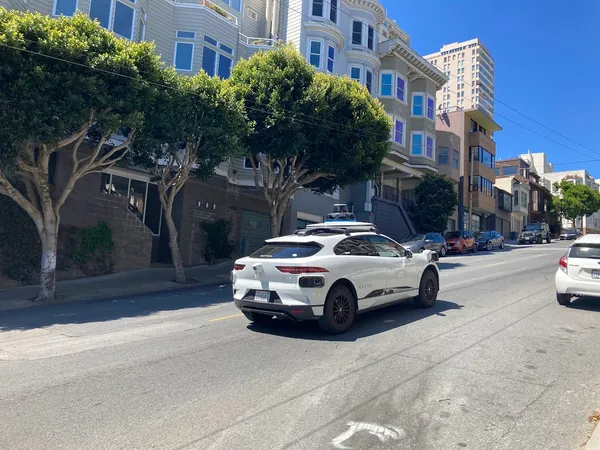
Driverless rides become a visible transit option as football crowds arrive
With Super Bowl week drawing large visitor volumes to the Bay Area, San Francisco streets are again serving as a proving ground for driverless ride-hailing. Waymo’s autonomous vehicles, already operating commercially in the city, are expected to see increased demand from travelers attending games and related events, adding a new dimension to the region’s familiar mix of traffic, road closures, and late-night congestion.
The operational challenge for any ride-hailing provider during a major event is timing: demand surges sharply before and after games, concerts, and fan gatherings, often outpacing the supply of available rides. Waymo’s model differs from app-based platforms dependent on human drivers because its fleet can be staged and rebalanced centrally. That centralized dispatch can, in principle, shift vehicles toward high-demand zones while avoiding bottlenecks near restricted areas.
Capacity constraints and local conditions still limit what robotaxis can absorb
Even with dynamic positioning, autonomous fleets remain smaller than the combined footprint of conventional ride-hailing and private vehicles. That gap matters during peak moments when tens of thousands of people may leave an event at once. In addition, temporary traffic patterns—police-directed intersections, pop-up no-stopping zones, and detours—can complicate routing and passenger pickup in ways that are difficult to standardize citywide.
Event-related road closures and crowd control can restrict pickup and drop-off access.
High pedestrian density increases the complexity of navigating busy corridors.
Staging vehicles too close to venues can add to congestion, while staging too far can increase walking distances and wait times.
Waymo’s broader San Francisco footprint brings enforcement and curb-management questions
As autonomous vehicles become routine in San Francisco, curb space and compliance have emerged as practical pressure points. City records show Waymo vehicles received 589 parking citations in 2024, totaling $65,065 in fines, for violations that included obstructing traffic, disobeying street-cleaning restrictions, and stopping in prohibited areas. Those figures have sharpened attention on how robotaxis interact with curb rules—particularly during large events when legal stopping space is scarce.
Major events concentrate demand into short time windows, turning pickups and drop-offs into a curbside logistics problem as much as a routing problem.
New California rules will change how traffic violations are handled starting July 2026
California is also moving toward a clearer enforcement pathway for moving violations involving autonomous vehicles. A state law scheduled to take effect July 1, 2026 creates authority for law enforcement officers to issue “notices of autonomous vehicle noncompliance” to manufacturers when an alleged traffic violation is observed while the autonomous system is engaged, contingent on related regulatory steps. The law also establishes additional requirements for how driverless vehicles interact with first responders.
For Super Bowl week, the immediate question is practical rather than theoretical: whether driverless fleets can provide reliable, predictable trips amid road restrictions and intense demand. The answer will likely be measured in wait times, pickup success rates, and how smoothly curbside activity can be managed when the city is at its busiest.