Wealthy Donors and Self-Funding Shape Scott Wiener and Saikat Chakrabarti’s High-Cost SF House Race
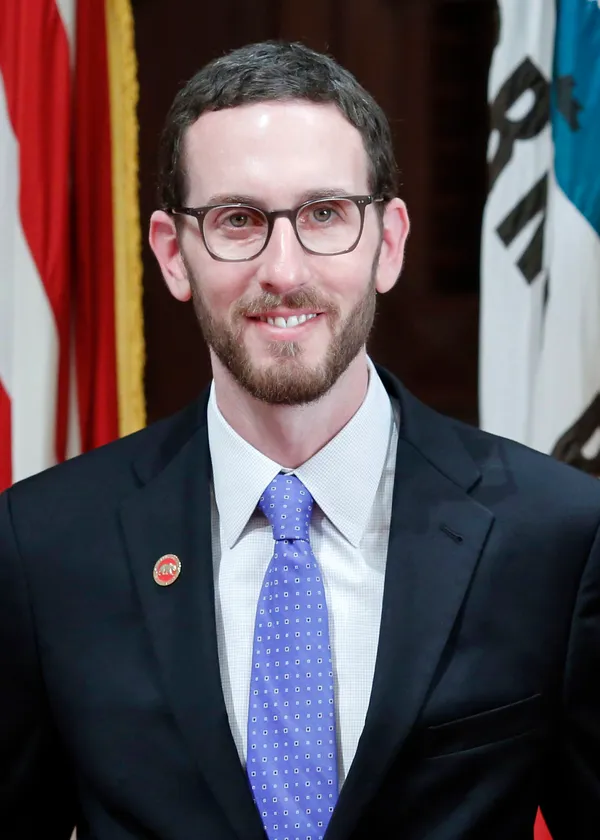
A money-driven contest for an open San Francisco House seat
The race to represent California’s 11th Congressional District is increasingly defined by two parallel forces: significant self-funding by candidate Saikat Chakrabarti and a surge of high-dollar contributions backing state Sen. Scott Wiener. The contest is playing out in a district long associated with Speaker Emerita Nancy Pelosi, now headed for an open-seat election in 2026.
Chakrabarti’s campaign: heavy reliance on candidate money
Federal campaign finance reports show Chakrabarti has underwritten a large share of his campaign through personal loans, alongside a smaller pool of individual donations. In mid-2025 filings, his campaign reported hundreds of thousands of dollars in receipts, with the majority coming from the candidate himself. Later reporting and campaign-finance summaries indicate that his personal investment continued to rise into the seven figures.
The approach has allowed Chakrabarti to build early campaign capacity without depending on a broad donor network. It has also placed scrutiny on how much of his operation is sustained by personal wealth versus community-based fundraising.
Wiener’s fundraising: broad donor base, plus prominent wealthy supporters
Wiener’s federal committee filings show a separate model: a large fundraising haul built primarily from individual contributions and supported by established political networks. In addition, public reporting has identified a set of well-known, high-net-worth donors giving directly to Wiener’s campaign, including prominent figures in technology and philanthropy. The effect is a counterweight to Chakrabarti’s self-funded spending, narrowing the practical advantage that personal wealth can provide in early campaign operations.
How big money changes the campaign’s strategic terrain
In a competitive Democratic contest, large-scale resources typically translate into measurable campaign advantages:
Paid voter contact through mail, digital advertising, and field staffing.
Rapid response capacity to rebut attacks or define opponents before they do it themselves.
Expanded outreach across a district with diverse communities and media consumption habits.
Campaign finance patterns in CA-11 illustrate two dominant pathways to scale: self-funding and consolidation of large-dollar support.
Where this leaves other contenders and voters
Supervisor Connie Chan is also in the race, but available fundraising totals reported publicly have placed her behind the top two money engines. With the June 2026 primary approaching, the central question is not only which candidate can raise and spend the most, but how each translates financial strength into durable voter support in a district that often rewards both organization and ideology.
For voters, the campaign’s financial contours offer an early signal about coalition-building: whether support is rooted in many small donors, concentrated among wealthy contributors, or driven by a candidate’s personal fortune.