What an electric “flying taxi” flight near the Golden Gate signals for Bay Area air travel
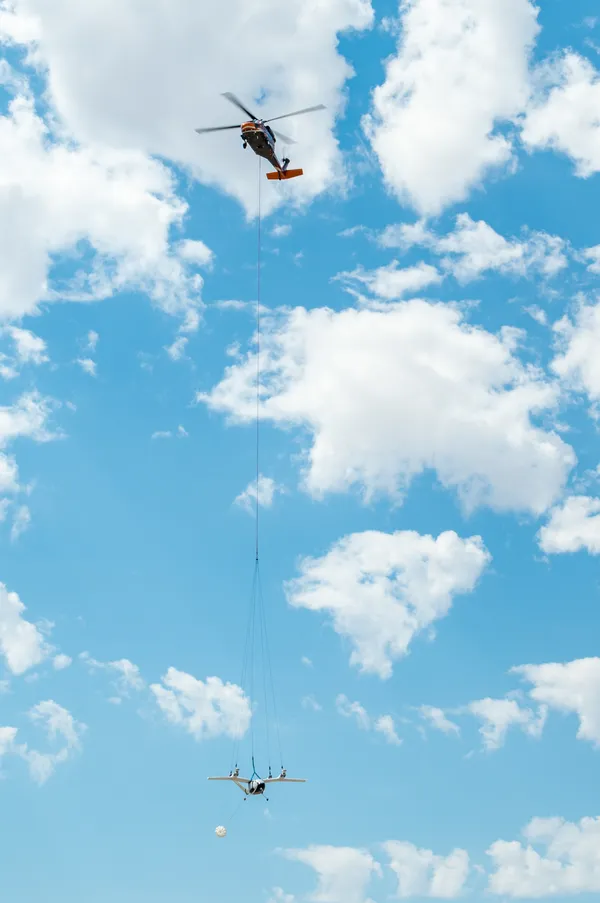
A highly visible Bay Area test flight
An experimental electric vertical takeoff and landing aircraft (eVTOL)—often described as a “flying taxi”—was recently observed flying a route across San Francisco Bay in the vicinity of the Golden Gate Bridge. The flight drew attention because it placed a next-generation aircraft in one of the nation’s most recognizable and tightly managed urban airspaces, alongside busy commercial traffic patterns that serve the region’s airports.
The aircraft was linked to Joby Aviation, a California-based developer of piloted, all-electric air taxi aircraft. Joby has been conducting a long-running test program and has publicly described its objective as launching commercial passenger service after completing Federal Aviation Administration (FAA) certification.
What the aircraft is designed to do
Joby’s air taxi concept centers on short trips that are impractical by helicopter for cost and noise reasons, and often slow by car because of congestion. The company has described an aircraft designed to carry a pilot plus four passengers, transitioning from vertical lift to wing-borne cruise flight for point-to-point travel.
Performance targets: Joby has publicly described top speeds up to about 200 mph and a design range around 100 miles—figures that align with the idea of regional hops, not long-distance flights.
Noise as a key constraint: A core claim of the sector is that distributed electric propulsion and slower-spinning propellers can reduce perceived noise compared with conventional helicopters—an important factor in dense neighborhoods and near sensitive corridors.
Certification, not sightseeing, is the main hurdle
Public flights near landmarks can showcase maturity, but they do not by themselves indicate readiness for passenger service. The decisive gate is certification: eVTOLs must meet FAA requirements for powered-lift aircraft and demonstrate safety, reliability, maintainability, pilot training standards, and operational procedures suitable for carrying the public.
Joby has said it is building FAA-conforming aircraft intended for Type Inspection Authorization (TIA), a late-stage phase of the certification process. The company has also indicated FAA pilots are expected to participate in flight testing during 2026 as part of certification work.
Could it soon take passengers from San Francisco to Wine Country?
A San Francisco–to–Wine Country trip fits within the type of distance the sector is aiming to serve, but several practical requirements would determine whether it becomes real—and when.
Approved places to land: Routine service would require “vertiports” or other approved takeoff-and-landing sites with charging infrastructure, passenger handling, emergency response planning, and local permits.
Airspace integration: The Bay Area’s airspace includes multiple major airports and complex helicopter and general aviation traffic. Regular eVTOL routes would need procedures that avoid disrupting existing operations.
Community acceptance: Even if quieter than helicopters, frequent operations could face scrutiny over noise, visual impact, and equity of access—issues likely to be debated city by city and county by county.
For travelers, the promise is time savings on congested corridors. For regulators and local governments, the test is whether the aircraft can be integrated safely, quietly, and predictably into the region’s transportation system.
What to watch next
The most meaningful indicators for Bay Area passenger flights will be FAA certification milestones, defined operational plans for specific routes, and local approvals for landing sites. Until those pieces align, high-profile flights near the Golden Gate are best understood as demonstrations of progress—not a launch of commercial service.