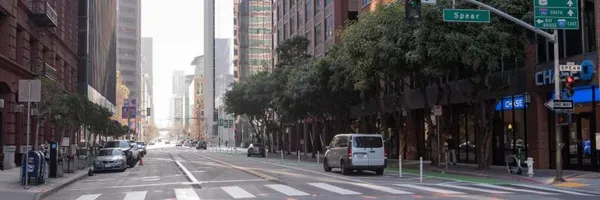
Antisemitic “Tax the Jews” chant disrupts San Francisco press conference on real estate transfer tax proposal

What happened at the San Francisco event
An antisemitic chant interrupted a San Francisco press conference Wednesday, Feb. 25, 2026, as city leaders and labor representatives promoted legislation aimed at lowering the city’s real estate transfer tax for certain large property sales. During the disruption, a chant of “tax the rich” was followed by “tax the Jews,” with video from the scene capturing the antisemitic phrase being shouted during the event.
Mayor Daniel Lurie publicly condemned the chant as antisemitic and said it would not be tolerated. The press conference was held with District 5 Supervisor Bilal Mahmood and representatives from the building trades, with the stated purpose of outlining a policy package intended to boost construction activity and housing production.
The policy at the center of the press conference
The proposal discussed by city leaders focuses on San Francisco’s real estate transfer tax, which is paid when property changes hands. The legislation would reduce the transfer tax for high-value transactions, returning rates to pre-2020 levels for large deals while leaving smaller transactions unchanged.
As described by city officials, the aim is to lower upfront costs for projects that have stalled amid high interest rates, weakening commercial values, and limited access to capital—conditions that have constrained development and, in turn, reduced construction employment and delayed new housing delivery.
- The measure targets large transactions, where transfer taxes can materially affect project feasibility.
- Supporters argue it could improve financing conditions for housing and mixed-use projects by reducing transaction costs.
- Critics argue the change disproportionately benefits high-wealth investors and could reduce revenue used for public services.
Responses and competing factual claims about the disruption
Public statements after the incident described the chant as antisemitic and harmful, while accounts differed on how many people participated and whether the antisemitic phrase reflected the broader protest. Video referenced by local reporting captures the antisemitic language audibly, though the footage does not clearly establish the identity of the speaker(s) or the full context of surrounding chants.
City officials characterized the chant as antisemitic and rejected any framing of Jewish people as a financial category or a stand-in for economic inequality.
Why the incident is drawing heightened attention
The disruption comes amid heightened public concern over antisemitic harassment and intimidation in San Francisco and the broader Bay Area over the past two years. Recent local incidents have included vandalism and threats targeting Jewish institutions and individuals, alongside intensified political tensions at protests and public meetings related to Middle East issues and domestic policy debates.
City leaders have repeatedly stated that protests are protected speech, while emphasizing that discriminatory harassment and threats are not. The Feb. 25 incident is likely to intensify scrutiny of how public events are secured and how civic leaders respond when discriminatory speech emerges in public forums, particularly in settings tied to contentious tax and housing debates.
San Francisco apartment rent growth accelerates again as limited supply and tech demand tighten market conditions

Fog, Festivities, and First Thursdays: Your San Francisco Morning Briefing
City Bulletin: Housing Hearings, Transit Safety Projects, and Public Health Alerts