San Francisco court clerks end two-day strike; Hall of Justice services scheduled to fully resume Monday
Two-day walkout disrupted jury trials and routine filings across San Francisco’s main courthouses
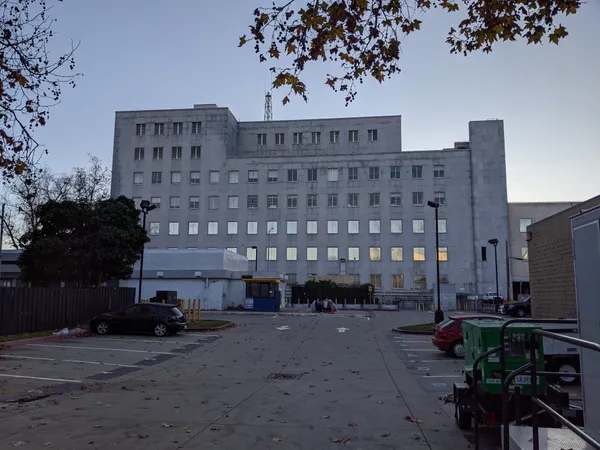
A two-day strike by San Francisco Superior Court clerks ended Friday, with the union representing the clerical workforce advising members to return to their posts Monday morning. The work stoppage, centered at the Hall of Justice at 850 Bryant St. and the civil courthouse at 400 McAllister St., curtailed in-person services and forced broad scheduling changes for attorneys, jurors, litigants and people in custody.
Court management had prepared to operate in a limited mode during the strike, maintaining constitutionally mandated and emergency proceedings while postponing many non-urgent matters. During the walkout, jury activity and trials were widely paused, and many routine counter functions were interrupted, with court users redirected to modified processes such as drop-off options for certain paperwork.
What clerks do — and why staffing and training became the flashpoints
Clerks perform core functions that keep courtrooms moving: processing filings, calendaring hearings, preparing minute orders, issuing and recording court documents, and supporting judges during hearings. Union leaders and rank-and-file clerks have argued that persistent staffing shortages and insufficient training have increased error risks and slowed case movement, with downstream consequences that can include delays in hearings and extended time in custody when paperwork and scheduling fall behind.
The clerks are represented by SEIU Local 1021. The unit is roughly in the low hundreds, and the strike involved about 200 workers. Labor tensions have been building since at least 2024, when a prior one-day walkout ended after a short-lived agreement that the union later said was not fully implemented.
Negotiations resumed during the strike; agreement awaits member ratification
The strike was called after months of bargaining and a breakdown in talks. Negotiations resumed after the walkout began, and by Friday afternoon the sides had reached a tentative agreement that the union said it would recommend for ratification. The full contract terms were not immediately released publicly, and the deal remained subject to approval by a majority vote of the represented clerks.
In public statements during the dispute, the court emphasized limits tied to state judicial-branch funding and cited dozens of bargaining sessions and mediation efforts. The union, in turn, framed the strike as a response to working conditions it says have not kept pace with workload and operational demands.
What the public should expect next week
Regular courthouse operations are expected to resume Monday, including jury services and a broader set of calendars beyond emergency matters.
Attorneys and litigants should anticipate that some cases affected by the strike may need to be rescheduled or re-noticed as courtrooms work through disruptions.
Further changes depend on member ratification and implementation of any staffing, training, or compensation provisions included in the tentative agreement.
The quick resolution ended an interruption that court officials had warned could push the system into a “triage” posture, prioritizing statutory deadlines and urgent hearings while deferring routine matters.
With the walkout ending on its second day, the immediate disruption is set to ease, but the durability of the settlement will turn on ratification and whether the agreement measurably addresses the operational pressures that clerks and court leaders have both identified as central to keeping San Francisco’s courts functioning reliably.
San Francisco apartment rent growth accelerates again as limited supply and tech demand tighten market conditions

Fog, Festivities, and First Thursdays: Your San Francisco Morning Briefing
City Bulletin: Housing Hearings, Transit Safety Projects, and Public Health Alerts